Event scenario
A safety-first wild food education walk where guests learn plant identification, local ethics, and taste approved samples with a guide.
A careful foraging education walk with plant ID, safety boundaries, and tasting notes.
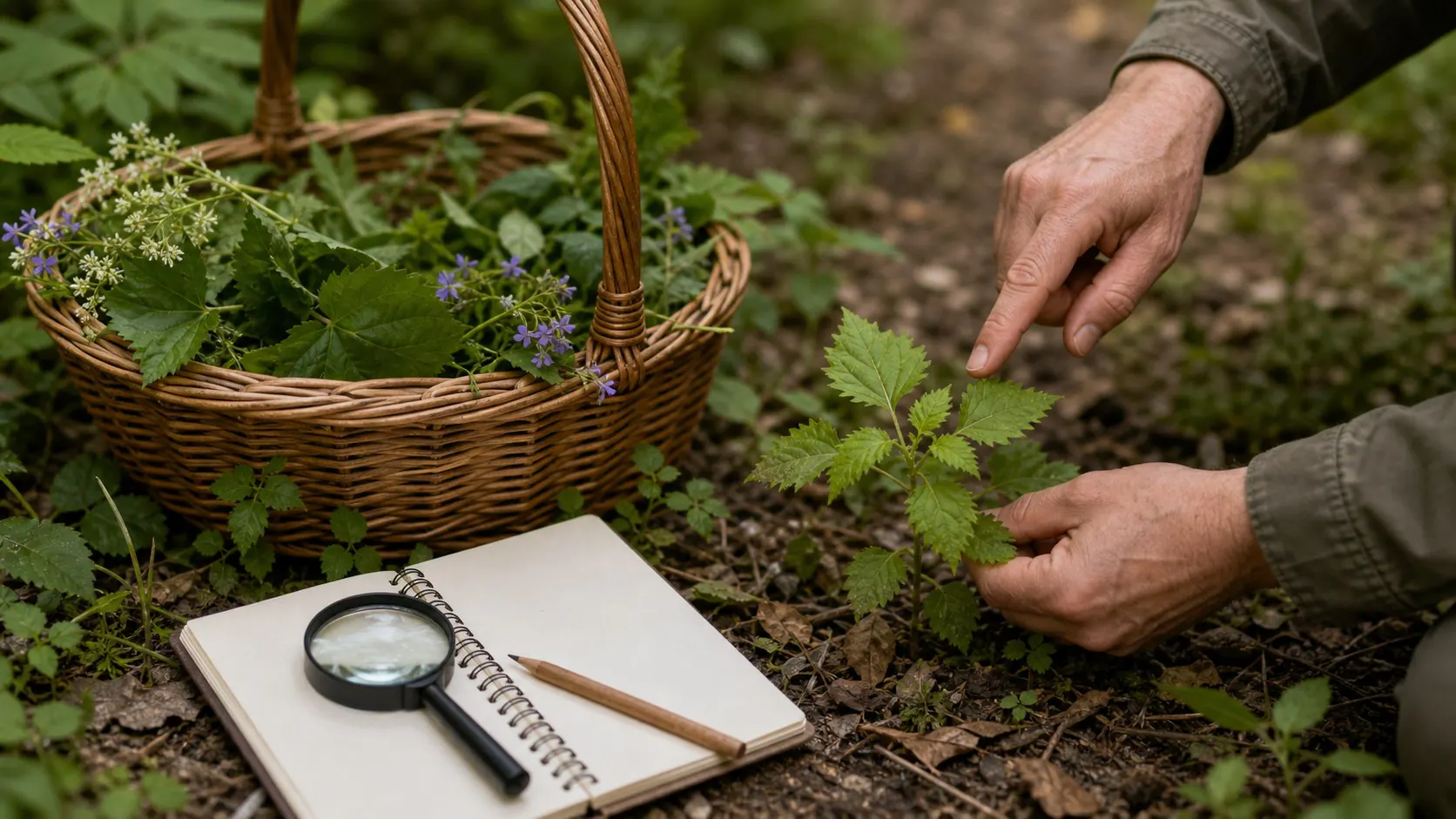
Suggested pricing: $20-75 depending on guide, route, tasting, and group size. Best in park, farm, trail, nature reserve, botanical area, or permitted public green space.
A safety-first wild food education walk where guests learn plant identification, local ethics, and taste approved samples with a guide. Guests are curious about edible landscapes but need expert boundaries before they touch or taste anything. The template protects trust by putting safety, local rules, and guide expertise at the center of the event page.
A safety-first wild food education walk where guests learn plant identification, local ethics, and taste approved samples with a guide.
Guests are curious about edible landscapes but need expert boundaries before they touch or taste anything.
The template protects trust by putting safety, local rules, and guide expertise at the center of the event page.
Give HereNow your venue, audience, timing, ticket details, and event tone to tailor Foraging Walk and Tasting for your community.
Use this template when curiosity needs to be matched by strong safety and ethics.
A spring greens or mushroom-identification education walk.
A chef-led wild flavor walk ending in a tasting demo.
A farm or nature center class about edible landscapes.
A sustainability community event about local ecosystems and food.
The template protects trust by putting safety, local rules, and guide expertise at the center of the event page.
Guests know they should not eat anything unless the guide explicitly approves it.
Route, rules, and ecology make the event specific to the local environment.
Approved samples or a tasting demo give the walk a memorable finish.
The strongest event pages usually add concrete host details: the place, the people, the promise, and the small moments that make guests picture themselves there.
The agenda gives first-time hosts a reliable shape while leaving room for your own personality, venue, and timing.
Timing is relative to the event start.
Safety briefing and route notes
Guided plant identification walk
Sample prep or tasting demo
Resources and local ethics
These are the basics hosts usually check before turning a template into a real event page.
Only if the guide explicitly approves it. The event should be framed as education, not unsupervised harvesting.
Hosts should check local rules and include any collection or park restrictions.
Closed-toe shoes, weather-appropriate layers, and tick or sun protection are often important.
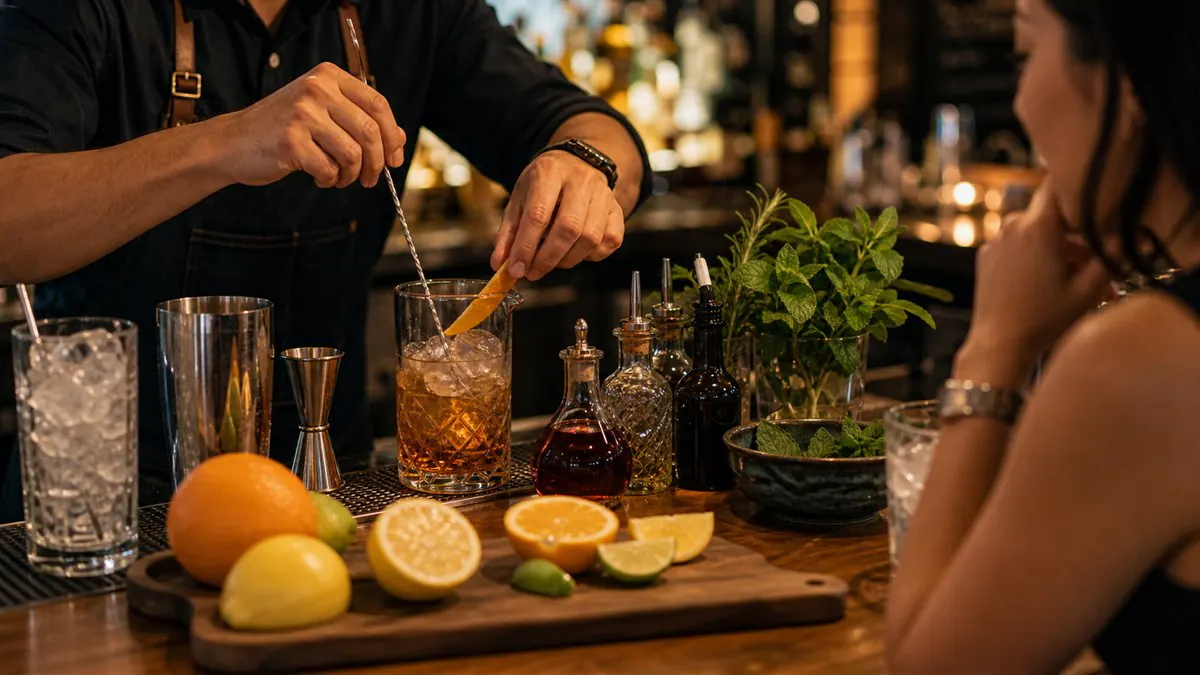
A hands-on cocktail class with techniques, tasting, and responsible drinking notes.
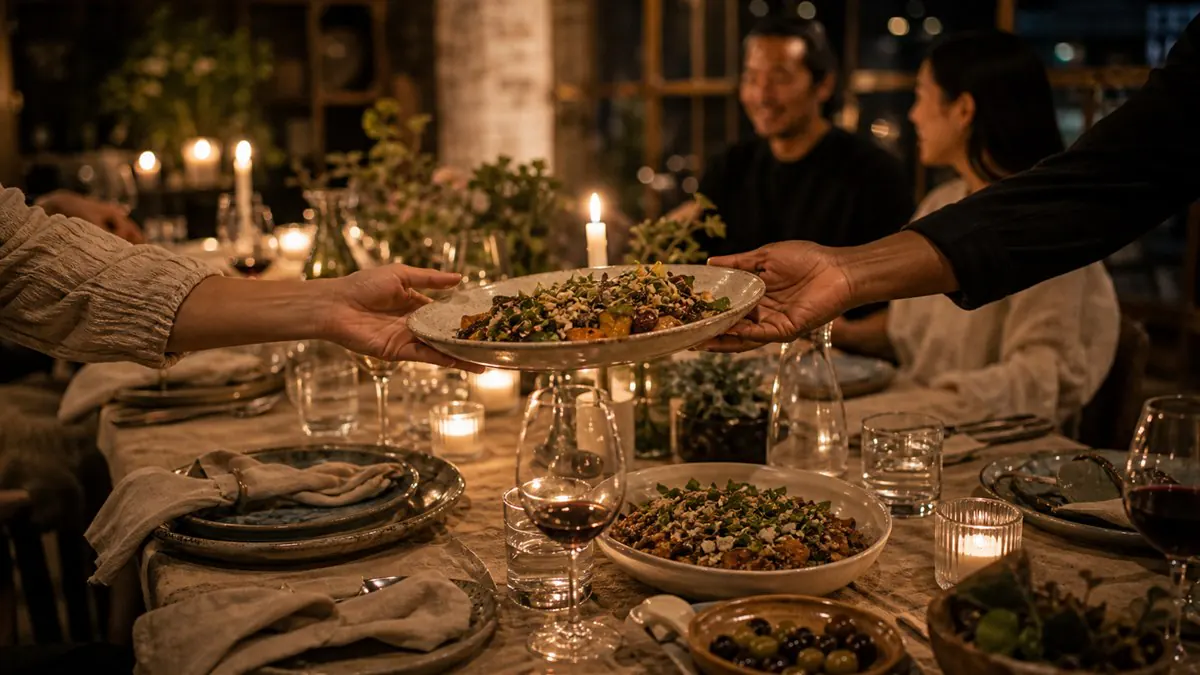
A curated shared-table dinner where solo guests can arrive alone and leave with new connections.
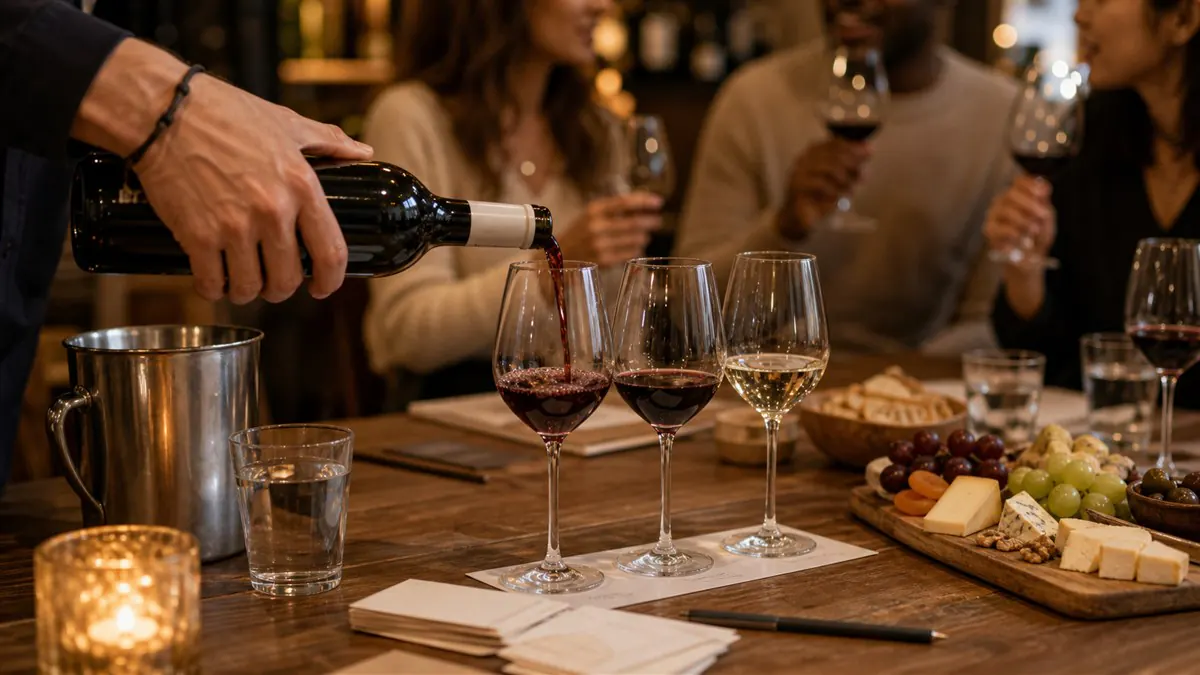
A social tasting format with guided pours, pairings, and easy conversation.