Event scenario
A 90 minute three-coffee comparison with aroma, guided tasting, individual notes, discussion, and one practical brewing takeaway.
A table-tested beginner coffee tasting where guests compare three coffees, use a shared sensory language, and leave with one useful distinction.
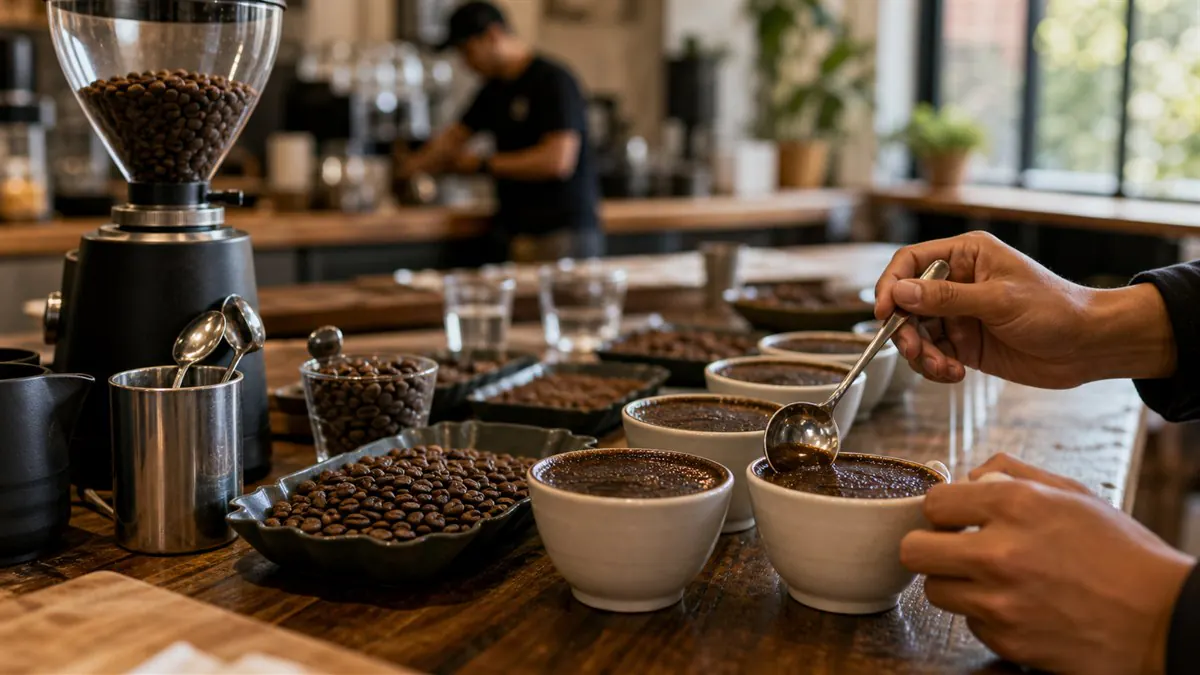
Suggested pricing: Set after tested table capacity and complete coffee, vessel, venue, fee, waste, and host-time costs are known. Best in coffee shop, roastery, teaching kitchen, or tasting room with water, clean service tools, and a quiet table.
Turn coffee knowledge into a bounded tasting service with equivalent samples, clear preparation, enough sensory access at every seat, and honest caffeine, ingredient, allergen, and host-scope notes.
A 90 minute three-coffee comparison with aroma, guided tasting, individual notes, discussion, and one practical brewing takeaway.
Guests can see which coffees they will compare, what they should notice, how the tasting works, and whether caffeine or included foods fit their needs.
A tasting-table event page that makes the guided result visible, keeps the guest count below preparation capacity, and prices the complete service rather than the beans alone.
Give HereNow your coffees, comparison result, preparation method, table cap, caffeine plan, included ingredients, host background, venue, and costs to tailor this tasting pilot.
Use this format to build a tasting people can understand before they buy: one comparison result, equivalent access at the table, a capacity the preparation can support, and complete trust details.
A three-origin beginner comparison built around acidity, sweetness, and aftertaste.
A washed-versus-natural process tasting with bounded language and no grading claim.
A brewing-method comparison where the coffee, recipe, and service timing stay controlled.
A paid pilot used to test table flow, preparation load, waste, guest understanding, and real contribution.
A tasting-table event page that makes the guided result visible, keeps the guest count below preparation capacity, and prices the complete service rather than the beans alone.
Selection, controlled preparation, shared vocabulary, pacing, comparison, and feedback make the paid service visible.
Capacity follows aroma access, equivalent samples, clean tools, water, notes, guidance, and preparation timing.
Caffeine, ingredients, allergens, access, refunds, and professional boundaries are visible before payment.
The strongest event pages usually add concrete host details: the place, the people, the promise, and the small moments that make guests picture themselves there.
The agenda gives first-time hosts a reliable shape while leaving room for your own personality, venue, and timing.
Timing is relative to the event start.
Arrival, caffeine and ingredient reminder, and tasting-table orientation
Coffee context, shared vocabulary, and aroma comparison
Guided three-coffee tasting with individual notes
Compare observations, answer bounded questions, and revisit the result
Brewing takeaway, water, and close
These are the basics hosts usually check before turning a template into a real event page.
Not for every beginner tasting. Keep the promise within demonstrated competence and do not imply formal sensory calibration, commercial grading authority, professional training, or certification.
Three often create enough contrast without overwhelming a first-time guest, but serving size, caffeine, preparation capacity, session length, and the intended result should set the final number.
Rehearse the complete service and use the largest number for which every guest receives equivalent samples, aroma access, clean tools, water, notes, audible guidance, and time to compare.
State that caffeinated coffee is served, give useful sample or serving context, list any milk, food, sweetener, or flavor-reference ingredients, and explain relevant allergen and cross-contact limits before purchase.
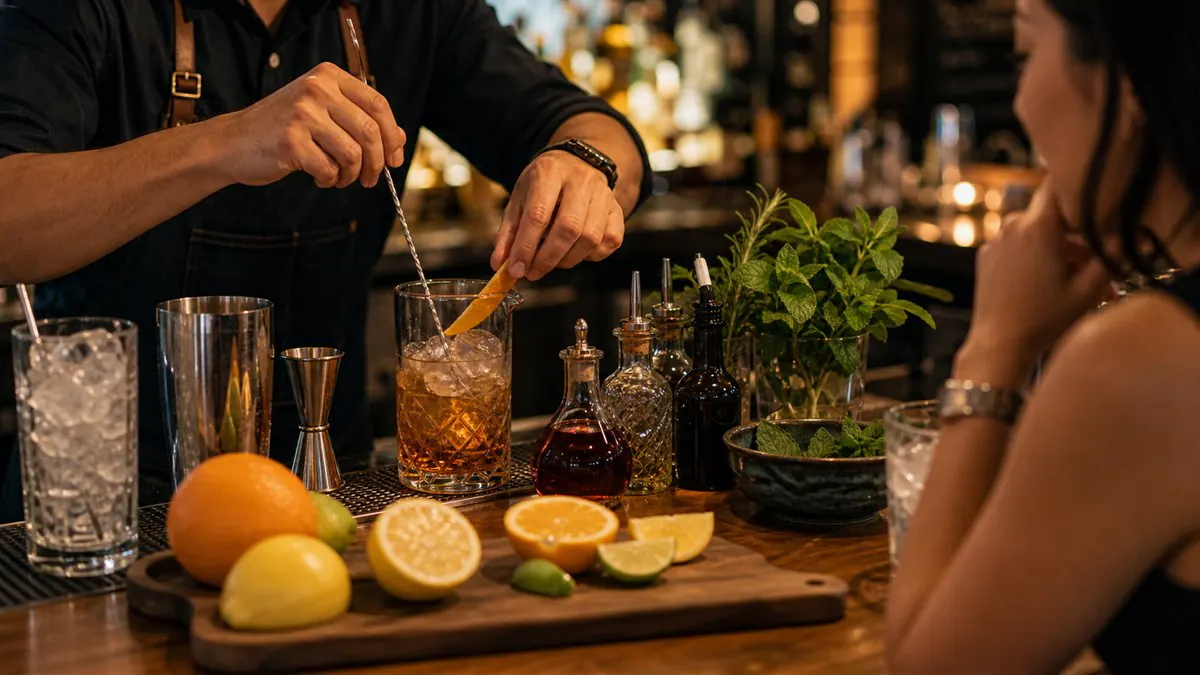
A hands-on cocktail class with techniques, tasting, and responsible drinking notes.
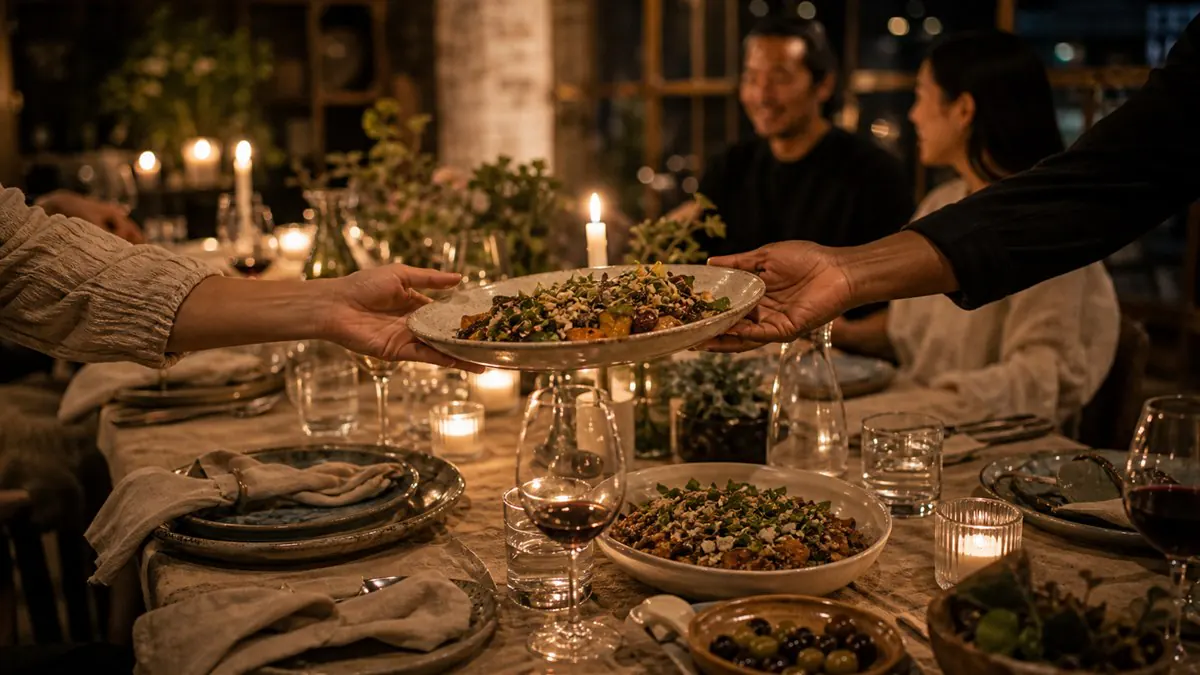
A curated shared-table dinner where solo guests can arrive alone and leave with new connections.
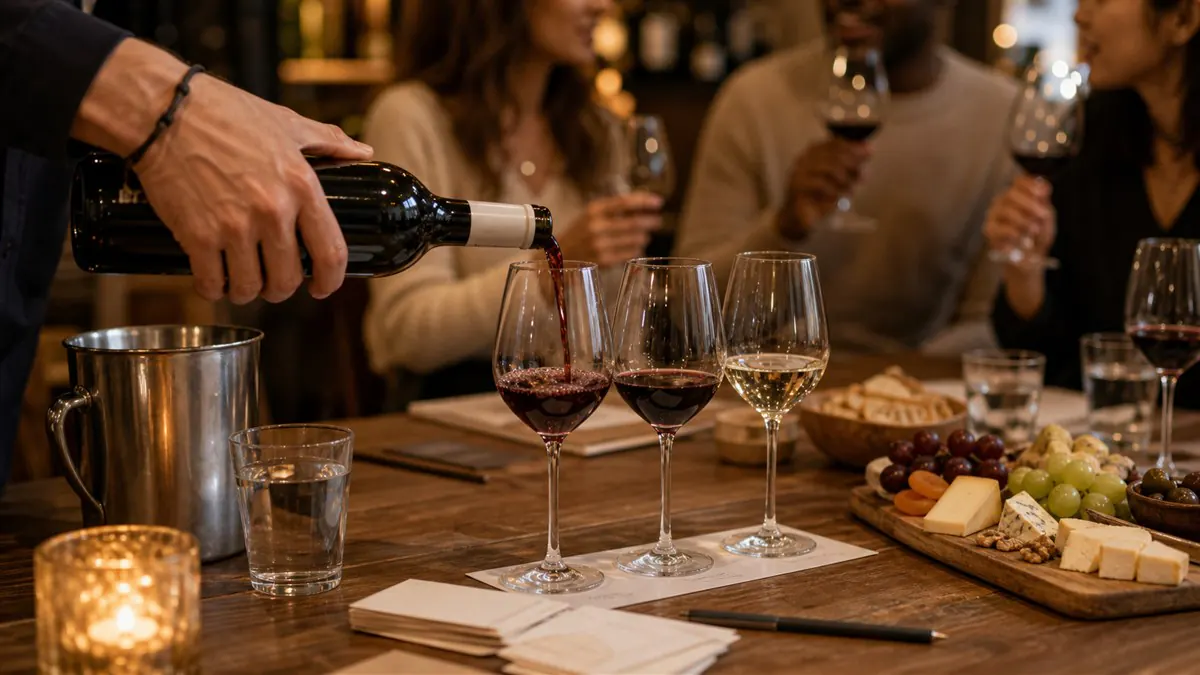
A social tasting format with guided pours, pairings, and easy conversation.