Event scenario
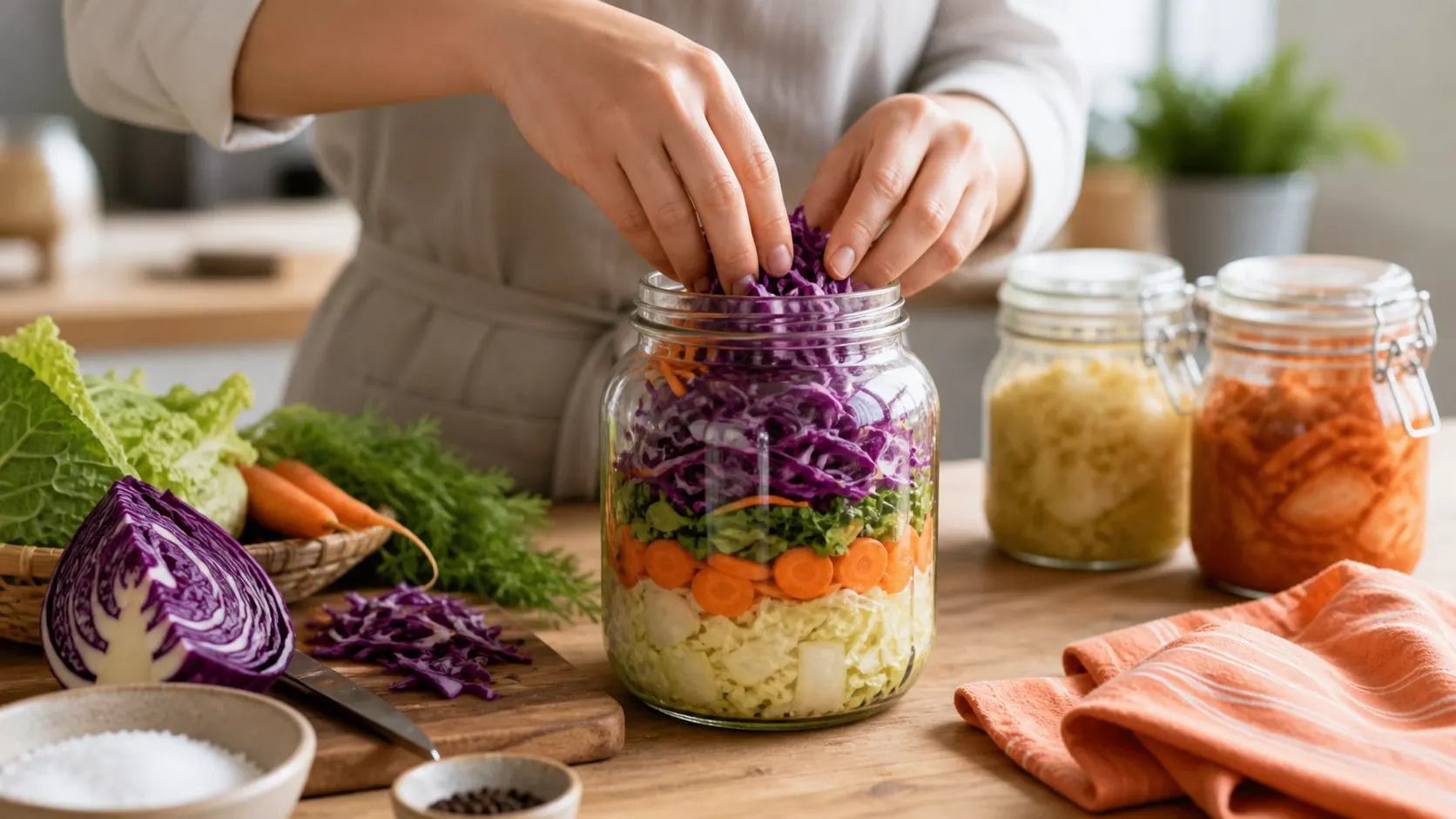
A food craft session where guests learn safe fermentation, prepare ingredients, build a jar, taste examples, and leave with care instructions.
A practical food workshop for pickles, kimchi, kombucha, or starter-based fermentation.
Suggested pricing: $35-95 depending on ingredients, jars, tasting flight, and kitchen setup. Best in teaching kitchen, community kitchen, market kitchen, farm classroom, cafe, or food studio.
A food craft session where guests learn safe fermentation, prepare ingredients, build a jar, taste examples, and leave with care instructions. Guests want to make something delicious and alive, but they need safety confidence and clear steps. The template combines sensory food experience with practical kitchen education and a take-home product.
A food craft session where guests learn safe fermentation, prepare ingredients, build a jar, taste examples, and leave with care instructions.
Guests want to make something delicious and alive, but they need safety confidence and clear steps.
The template combines sensory food experience with practical kitchen education and a take-home product.
Give HereNow your venue, audience, timing, ticket details, and event tone to tailor Fermentation Lab for your community.
Use this template when guests should leave with a jar, a taste memory, and confidence to continue at home.
A kimchi or pickle workshop in a teaching kitchen.
A market class using seasonal produce.
A kombucha or starter basics lab with tasting samples.
A farm or sustainability event focused on preserving food.
The template combines sensory food experience with practical kitchen education and a take-home product.
Guests understand clean process, timing, storage, and what to watch for.
A jar or starter makes the ticket tangible beyond the tasting.
Hosts can reuse the format with different produce, spice levels, or traditions.
The strongest event pages usually add concrete host details: the place, the people, the promise, and the small moments that make guests picture themselves there.
The agenda gives first-time hosts a reliable shape while leaving room for your own personality, venue, and timing.
Timing is relative to the event start.
Food safety and fermentation basics
Ingredient prep demo
Build your ferment jar
Care instructions and tasting
These are the basics hosts usually check before turning a template into a real event page.
Yes when the host teaches hygiene, salt ratios, storage, and signs that something is wrong.
The page should state the jar size, ferment type, starter, or tasting items included.
Collect dietary notes and clearly list common allergens or shared equipment risks.
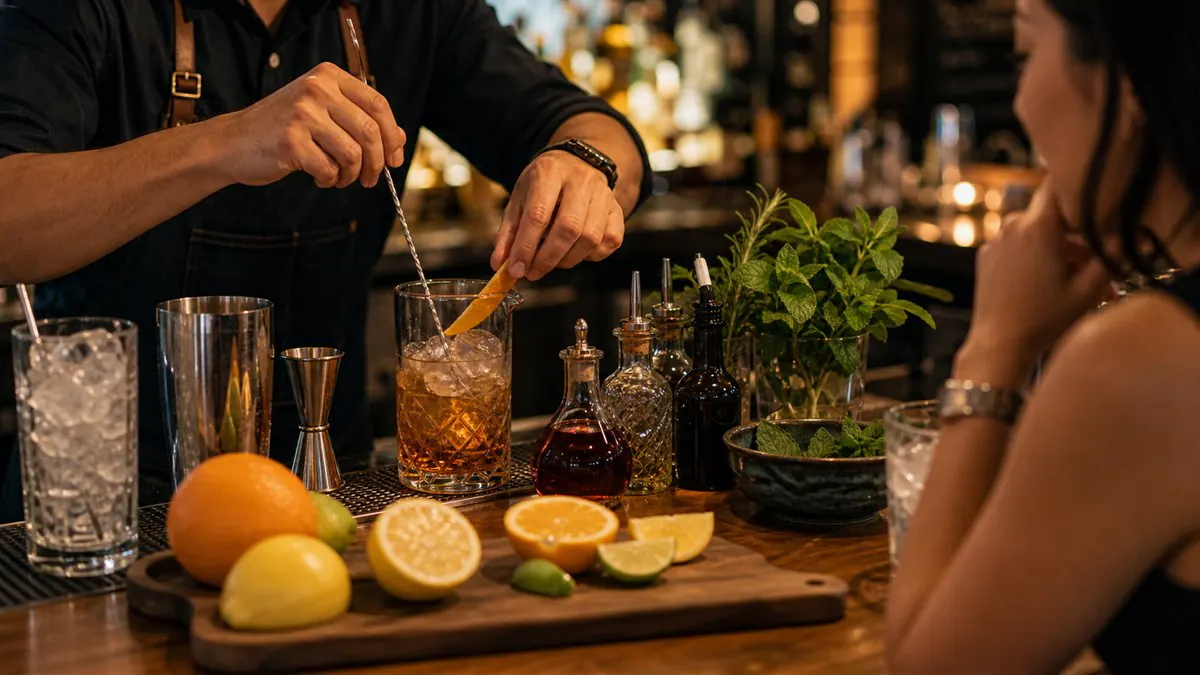
A hands-on cocktail class with techniques, tasting, and responsible drinking notes.
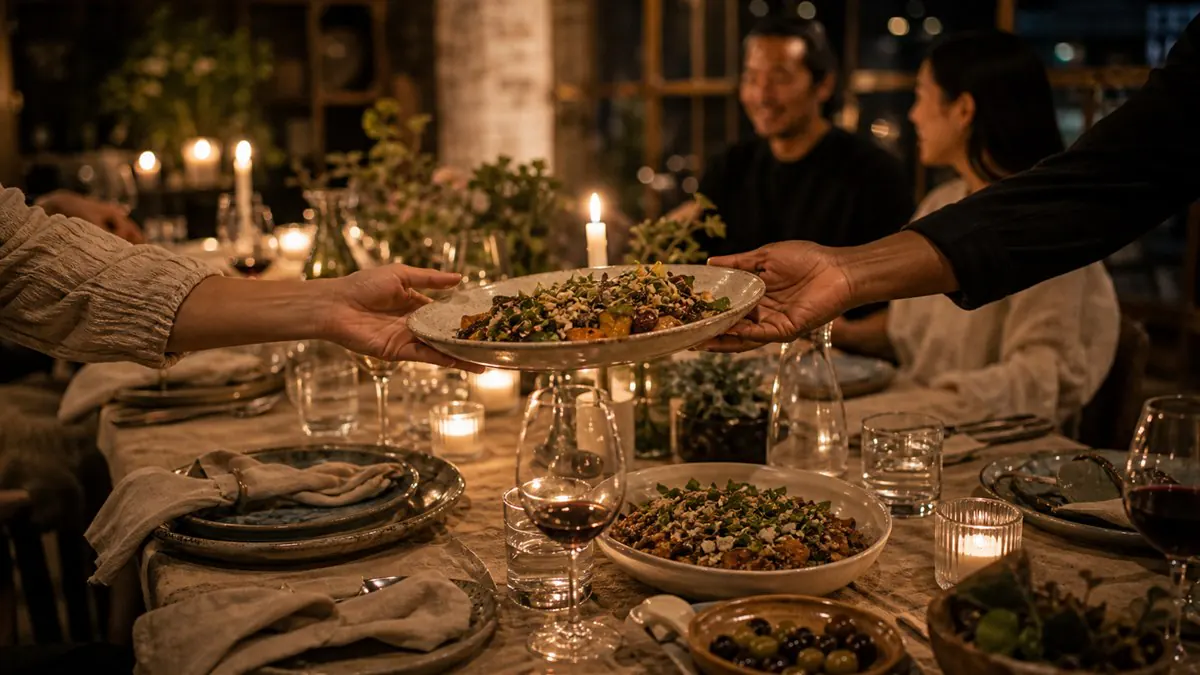
A curated shared-table dinner where solo guests can arrive alone and leave with new connections.
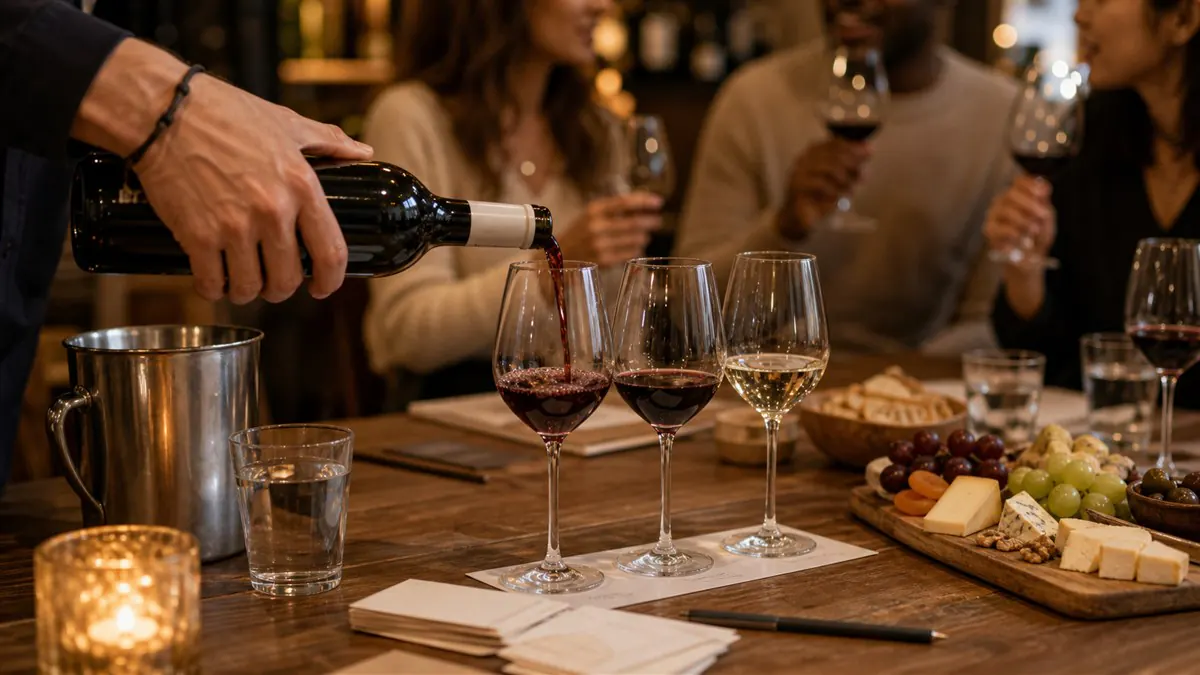
A social tasting format with guided pours, pairings, and easy conversation.