Event scenario
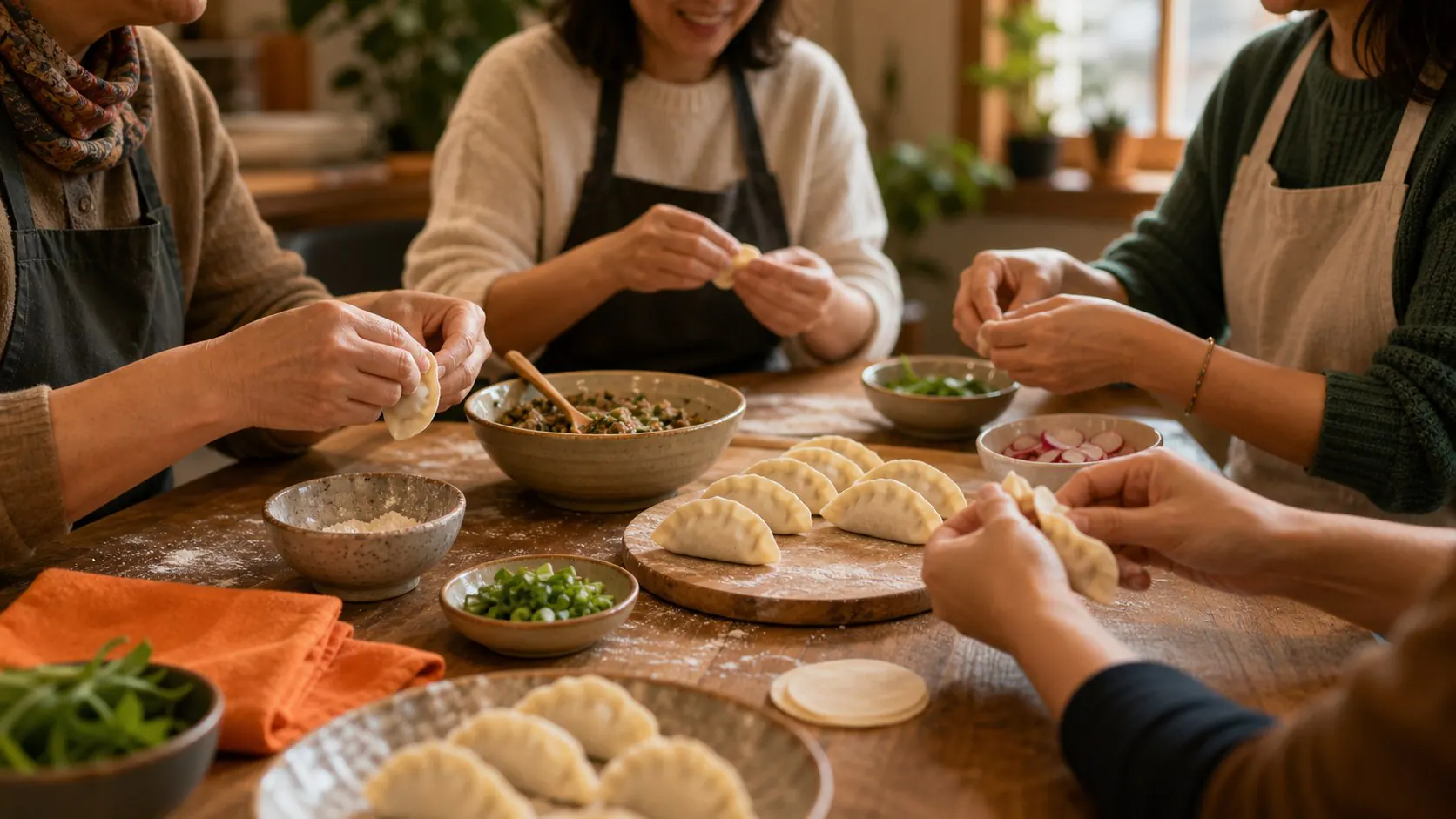
A cooking-and-storytelling table where guests learn a regional dish, understand its context, cook together, and share the meal.
A cooking-and-storytelling format centered on a regional dish, tradition, or family recipe.
Suggested pricing: $35-140 depending on ingredients, meal size, chef, and venue. Best in teaching kitchen, home dining room, community kitchen, restaurant private room, or food studio.
A cooking-and-storytelling table where guests learn a regional dish, understand its context, cook together, and share the meal. Guests want food that carries a story and a host who can make the experience respectful, personal, and delicious. The template helps hosts turn cultural knowledge into an event that balances hands-on cooking, story, and shared table hospitality.
A cooking-and-storytelling table where guests learn a regional dish, understand its context, cook together, and share the meal.
Guests want food that carries a story and a host who can make the experience respectful, personal, and delicious.
The template helps hosts turn cultural knowledge into an event that balances hands-on cooking, story, and shared table hospitality.
Give HereNow your venue, audience, timing, ticket details, and event tone to tailor Cultural Cooking Table for your community.
Use this template when the dish matters because of the story, place, and people behind it.
A regional dumpling, noodle, curry, stew, or bread-making table.
A diaspora food story night hosted around a family recipe.
A restaurant or chef class that ends in a shared meal.
A cultural festival side event with hands-on participation.
The template helps hosts turn cultural knowledge into an event that balances hands-on cooking, story, and shared table hospitality.
The page can explain origin, story, and host relationship without flattening culture into novelty.
Guests know whether they will cook, watch, taste, dine, or all of the above.
Menu, story, and shared table create a vivid reason to register.
The strongest event pages usually add concrete host details: the place, the people, the promise, and the small moments that make guests picture themselves there.
The agenda gives first-time hosts a reliable shape while leaving room for your own personality, venue, and timing.
Timing is relative to the event start.
Welcome and dish story
Ingredient and technique demo
Cook together
Shared meal and conversation
These are the basics hosts usually check before turning a template into a real event page.
The host should state the participation level clearly, from demo-only to fully hands-on.
Share the host's relationship to the dish, use respectful language, and avoid treating cultures as costumes.
Collect dietary restrictions and state which substitutions are possible before guests register.
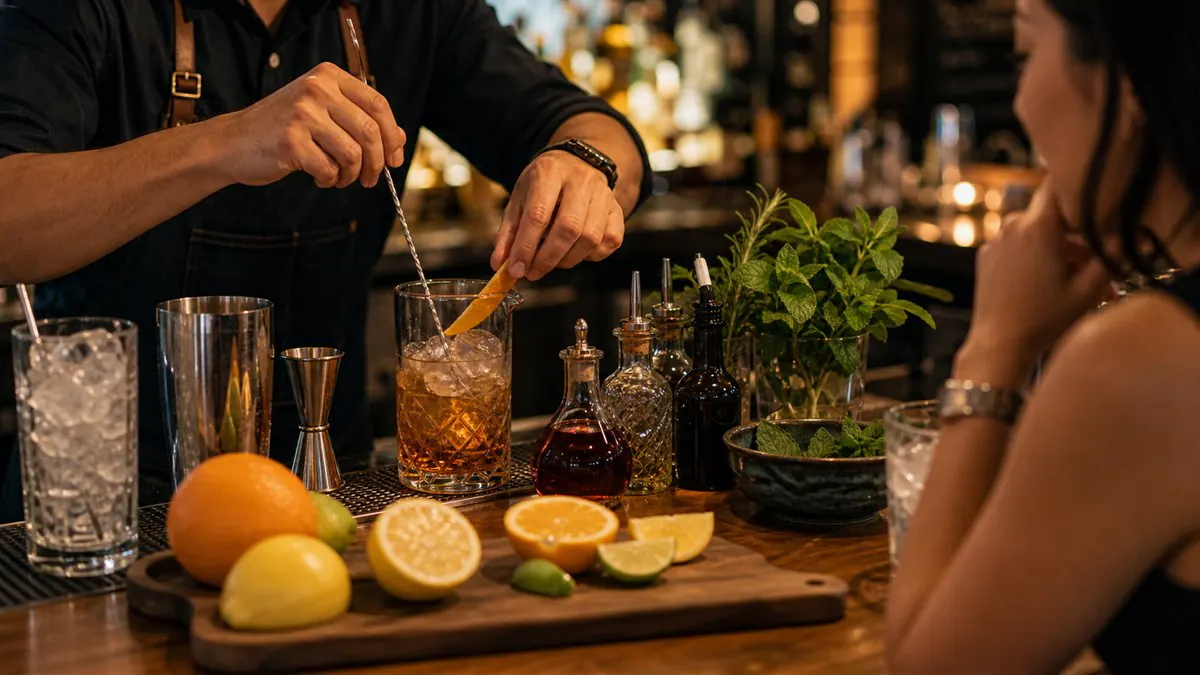
A hands-on cocktail class with techniques, tasting, and responsible drinking notes.
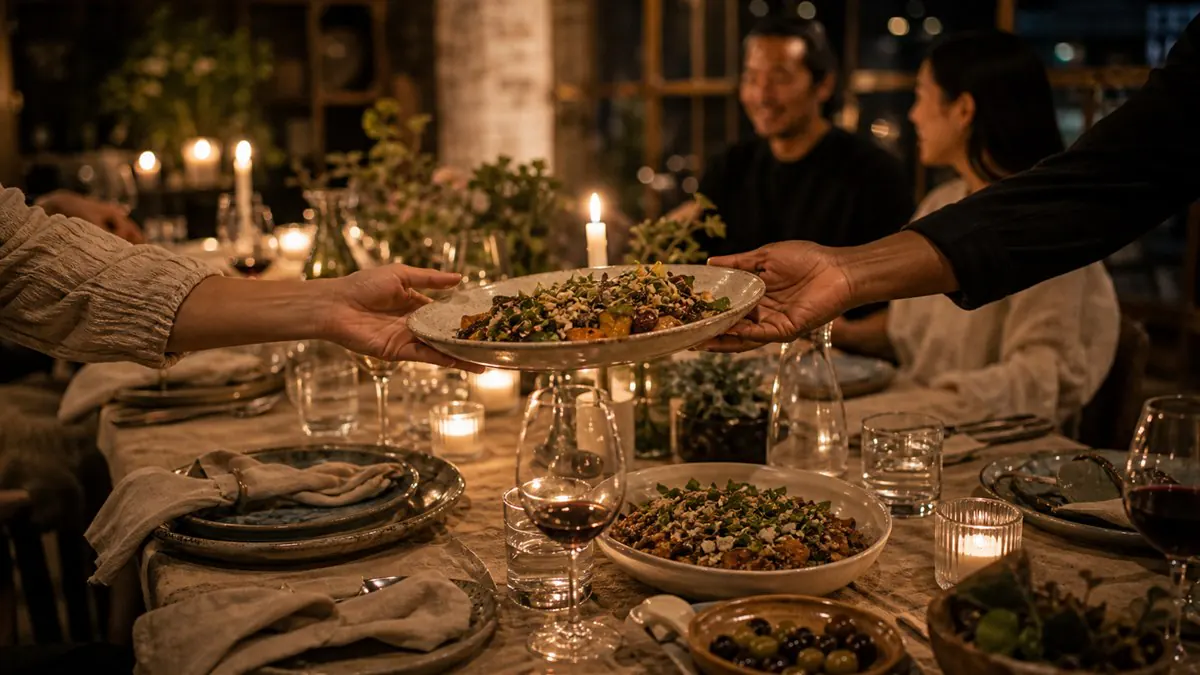
A curated shared-table dinner where solo guests can arrive alone and leave with new connections.
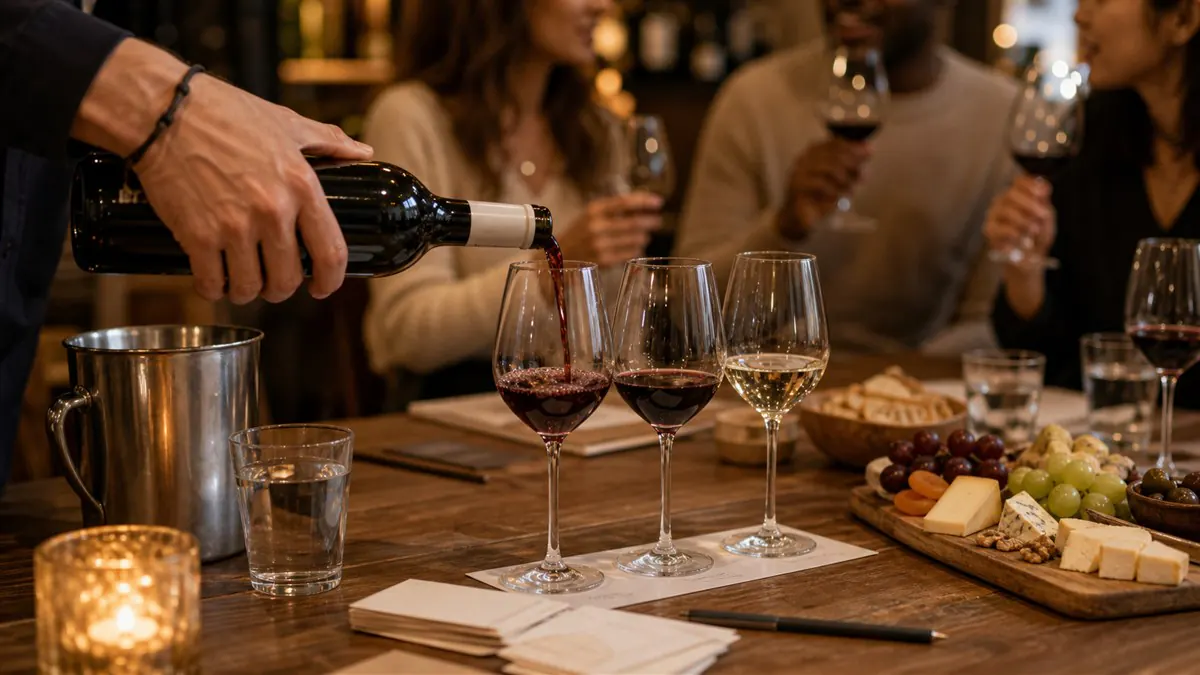
A social tasting format with guided pours, pairings, and easy conversation.