Activity scenario
A ready-to-adapt Mug-Making Date Night format with a clear guest promise and practical run-of-show.
A relaxed pottery session where guests shape a mug or cup form and get clear pickup notes after firing.

Suggested pricing: Per maker. Best in maker studio, workshop table, community classroom, or creative retail space.
A tactile studio experience that works for dates, friends, and first-time makers. Include clay method, glazing or pickup timeline, studio rules, and what guests will make.
A ready-to-adapt Mug-Making Date Night format with a clear guest promise and practical run-of-show.
Guests can understand the format, pace, and preparation for Mug-Making Date Night before they sign up.
A structured event page that helps a host turn Mug-Making Date Night into a clear, shareable experience.
Give HereNow your venue, audience, timing, ticket details, and event tone to tailor Mug-Making Date Night for your community.
Use this format to make Mug-Making Date Night feel specific, welcoming, and simple to join from the first visit.
A first Mug-Making Date Night session for people who want a clear, friendly way to join.
A repeatable local format that can grow with a community over time.
A themed edition shaped around a season, venue, or shared interest.
A small-group experience where the host can make every guest feel expected.
A structured event page that helps a host turn Mug-Making Date Night into a clear, shareable experience.
Guests can see the project, materials, and take-home value before booking.
A short demo and roomy making block create confidence without over-instructing.
Materials, safety, clean-up, and collection expectations are clear from the start.
The strongest event pages usually add concrete host details: the place, the people, the promise, and the small moments that make guests picture themselves there.
The agenda gives first-time hosts a reliable shape while leaving room for your own personality, venue, and timing.
Timing is relative to the event start.
Welcome & introduction
Demo by instructor
Hands-on practice
Break for refreshments
Continue creating
Finish & cleanup
These are the basics hosts usually check before turning a template into a real event page.
Yes, when the host chooses an achievable project, demonstrates the key steps, and makes help easy to find throughout the making time.
List the materials, tools, host guidance, finished piece or take-home item, and any collection or care instructions.
Say whether everything is supplied and flag practical details such as clothes that can get messy, closed shoes, or any personal item that is useful.
Base it on your number of workstations, prepared kits, and the amount of individual support each host can offer.

A mindful repair workshop where guests transform a cracked object into a visible-gold keepsake.
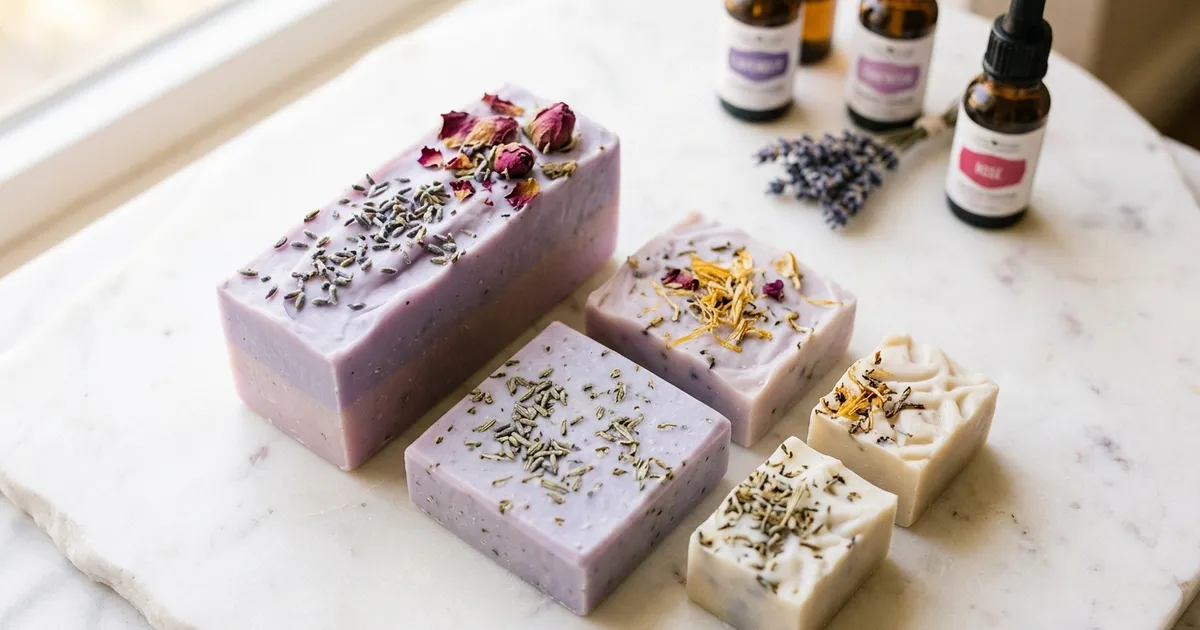
A hands-on soap workshop where guests choose scents, pour a batch, and leave with usable bars.
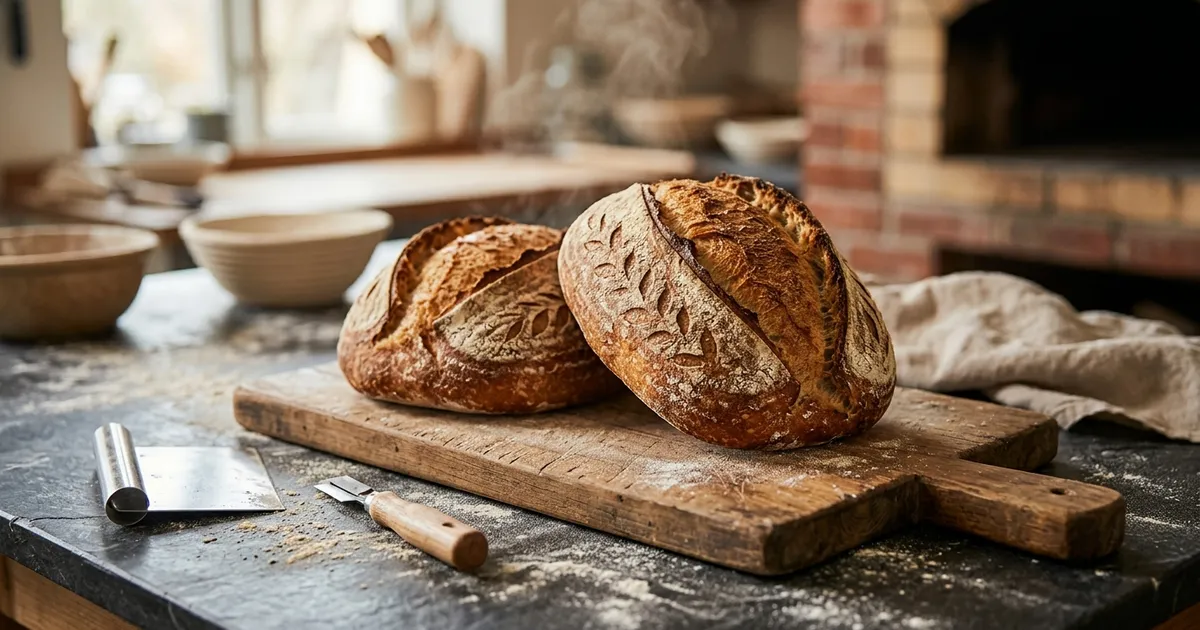
A beginner sourdough session where guests learn starter care, practice dough handling, taste together, and leave ready for their next bake.