Activity scenario
A ready-to-adapt Hidden History City Walk format with a clear guest promise and practical run-of-show.
A local history walk through overlooked streets, surprising stories, and a relaxed cafe finish.
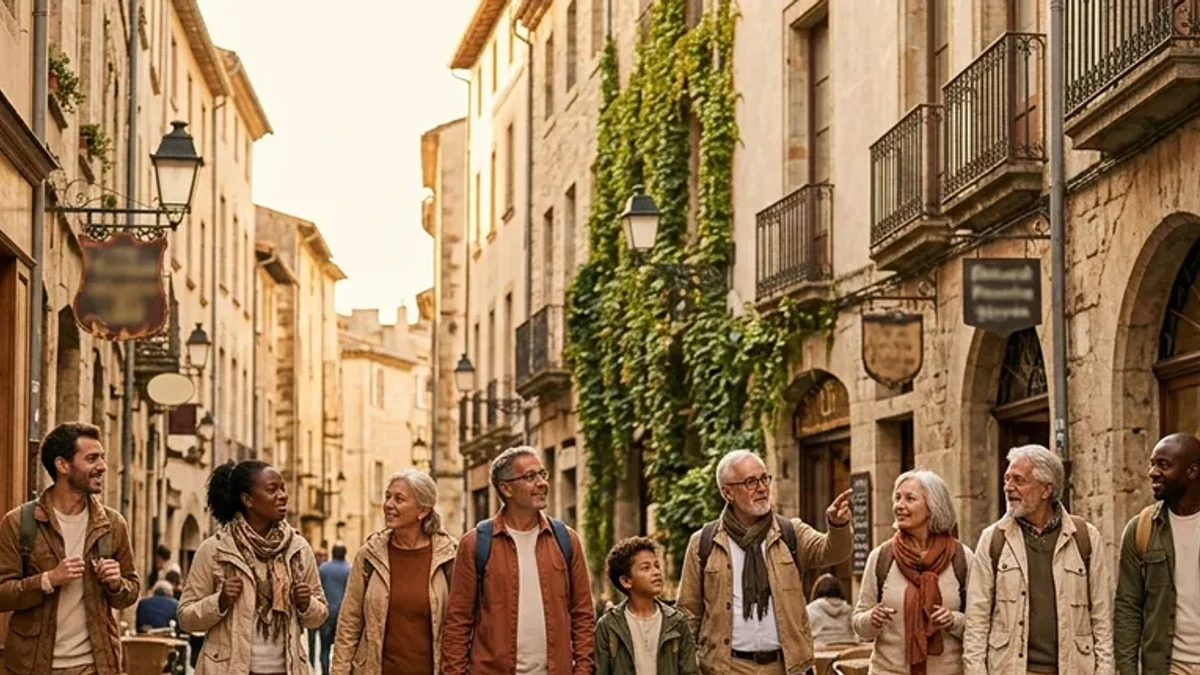
Suggested pricing: Per person. Best in community classroom, coworking space, library room, studio, or quiet cafe table.
A place-based learning event that makes the city feel newly visible. Include distance, pace, exact meeting point, accessibility, restroom notes, and weather plan.
A ready-to-adapt Hidden History City Walk format with a clear guest promise and practical run-of-show.
Guests can understand the format, pace, and preparation for Hidden History City Walk before they sign up.
A structured event page that helps a host turn Hidden History City Walk into a clear, shareable experience.
Give HereNow your venue, audience, timing, ticket details, and event tone to tailor Hidden History City Walk for your community.
Use this format to make Hidden History City Walk feel specific, welcoming, and simple to join from the first visit.
A first Hidden History City Walk session for people who want a clear, friendly way to join.
A repeatable local format that can grow with a community over time.
A themed edition shaped around a season, venue, or shared interest.
A small-group experience where the host can make every guest feel expected.
A structured event page that helps a host turn Hidden History City Walk into a clear, shareable experience.
The page explains what people will explore and what they can leave with.
A small-group format creates room for practice, questions, and peer exchange.
Clear prerequisites help every attendee arrive ready to take part.
The strongest event pages usually add concrete host details: the place, the people, the promise, and the small moments that make guests picture themselves there.
The agenda gives first-time hosts a reliable shape while leaving room for your own personality, venue, and timing.
Timing is relative to the event start.
Arrival, welcome, and introductions
Topic framing and practical context
Guided Hidden History City Walk session
Practice, questions, and peer exchange
Next steps and goodbye
These are the basics hosts usually check before turning a template into a real event page.
State the experience level, intended audience, and the practical outcome guests can expect from the session.
List any reading, laptop, materials, examples, or questions that will help people take part with confidence.
Focus on one clear outcome, make room for practice or discussion, and leave time for real questions instead of trying to cover everything.
Experience level and a learning goal help the host choose examples, pacing, and the right amount of support.

A practical money workshop for budgeting, subscriptions, savings habits, and a simple next-step plan.

A guided photo walk where guests practice portraits, street details, and golden-hour composition.
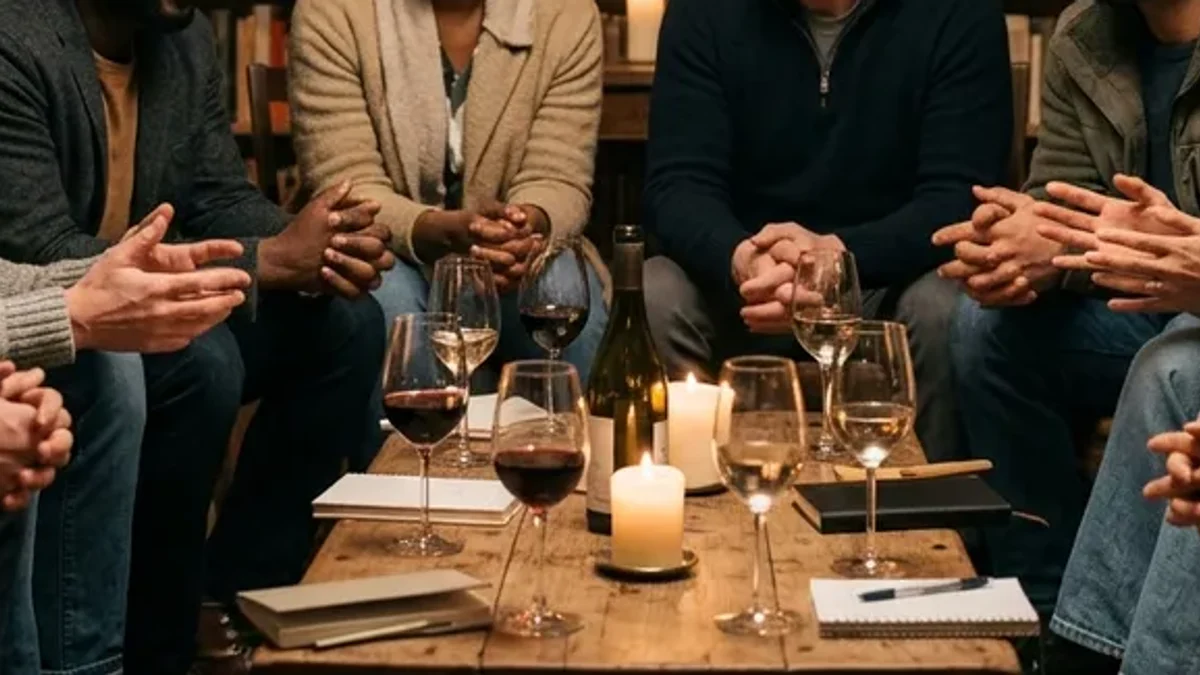
A hosted discussion salon where guests explore one big question over food, tea, or drinks.