Event scenario
A 100 minute golden-hour walk with a fixed meeting point, three tested practice stops, paired prompts, regrouping checks, and an optional review.
A route-tested portrait photo walk where phone and camera guests practise one visual result with clear device, access, weather, and image-use rules.
Suggested pricing: Set after the route-tested attention cap and complete pilot costs are known. Best in permission-checked public route with safe stops, an exact meeting point, and an accessible alternative where possible.
Build a paid photo walk around one visual skill, such as finding open shade or directing a simple portrait. Share the tested route, device prerequisites, walking demands, weather rule, group cap, and photo-use choices before registration.
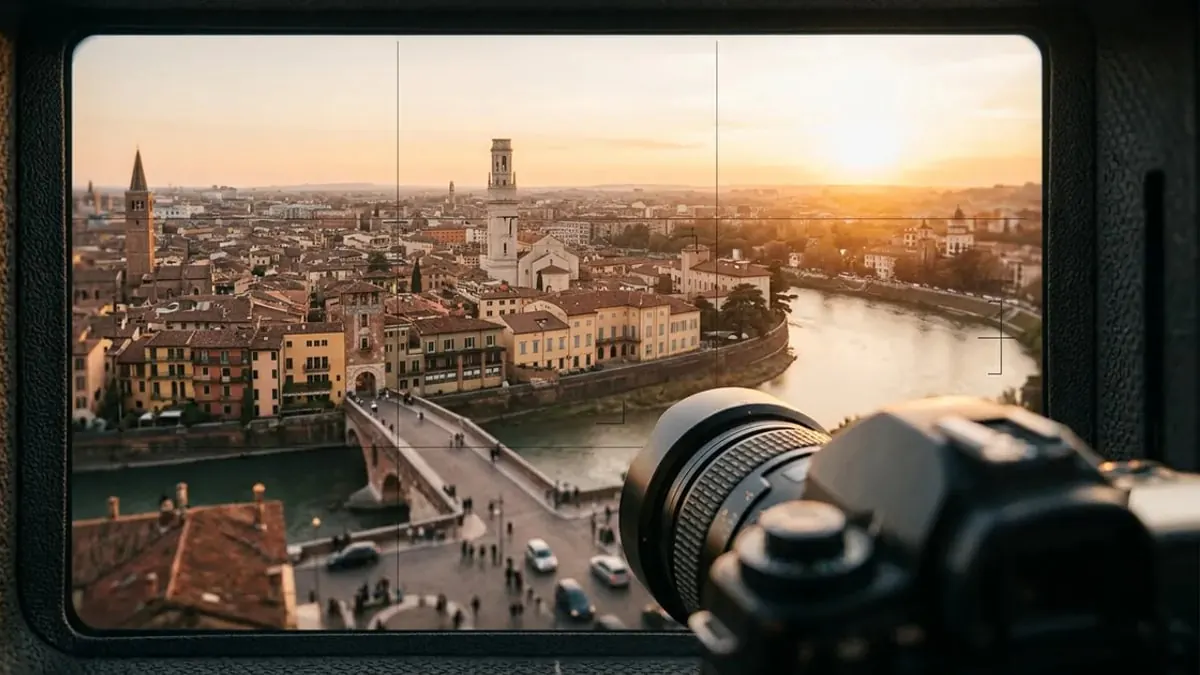
A 100 minute golden-hour walk with a fixed meeting point, three tested practice stops, paired prompts, regrouping checks, and an optional review.
Guests know what they will practise, whether their device fits, how demanding the route is, and whether anyone may reuse their image after the event.
A route-first photo-walk page that turns photography knowledge into a credible guided result while protecting attention, access, and image-use trust.
Give HereNow your visual result, route facts, devices, walking demands, permit answer, attention cap, weather rule, image-use choices, and price inputs to tailor this photo walk.
Use this format to connect the paid promise to a real route, compatible devices, protected practice time, and explicit choices about photographing and reusing people's images.
A phone-friendly portrait walk focused on open shade and simple posing prompts.
A mixed-device city walk where the result depends on composition rather than camera menus.
A neighborhood light study with three verified stops and a weather alternative.
A paid pilot used to test regrouping, feedback load, route friction, and real host time.
A route-first photo-walk page that turns photography knowledge into a credible guided result while protecting attention, access, and image-use trust.
The page names what guests will practise and avoids promising an entire photography course during one walk.
Meeting, access, movement, permits, weather, toilets, and regrouping are planned before promotion.
Participation, being photographed, social sharing, portfolio use, and promotional reuse are treated as separate decisions.
The strongest event pages usually add concrete host details: the place, the people, the promise, and the small moments that make guests picture themselves there.
This template has been used for 1 event on HereNow, with 0 registrations recorded.
The agenda gives first-time hosts a reliable shape while leaving room for your own personality, venue, and timing.
Timing is relative to the event start.
Meet, route and safety briefing, device check, and image-use choices
Demonstrate the single visual skill at the first tested stop
Paired practice across two further stops with host feedback
Regroup, select one image, and discuss the result
Optional sharing, route exit, and follow-up notes
These are the basics hosts usually check before turning a template into a real event page.
Yes when the promised result depends on observation, composition, light, timing, or direction rather than camera-specific controls. State any required app, storage, battery, or setting before purchase.
Use the largest number the host can demonstrate to, regroup, observe, and give the promised feedback to on the real route. That attention cap may be far below what the public space can hold.
Sometimes. Ask the relevant route or venue authority about the exact commercial activity, group size, equipment, models, props, reserved access, and likely disruption.
Only under a clear, appropriate permission process. Separate event participation, being photographed, participant social sharing, portfolio display, and promotional reuse rather than treating one ticket checkbox as permission for everything.