Activity scenario
A ready-to-adapt Market-to-Table Cooking Class format with a clear guest promise and practical run-of-show.
A cooking class that starts with ingredient stories and ends with a shared meal around the table.
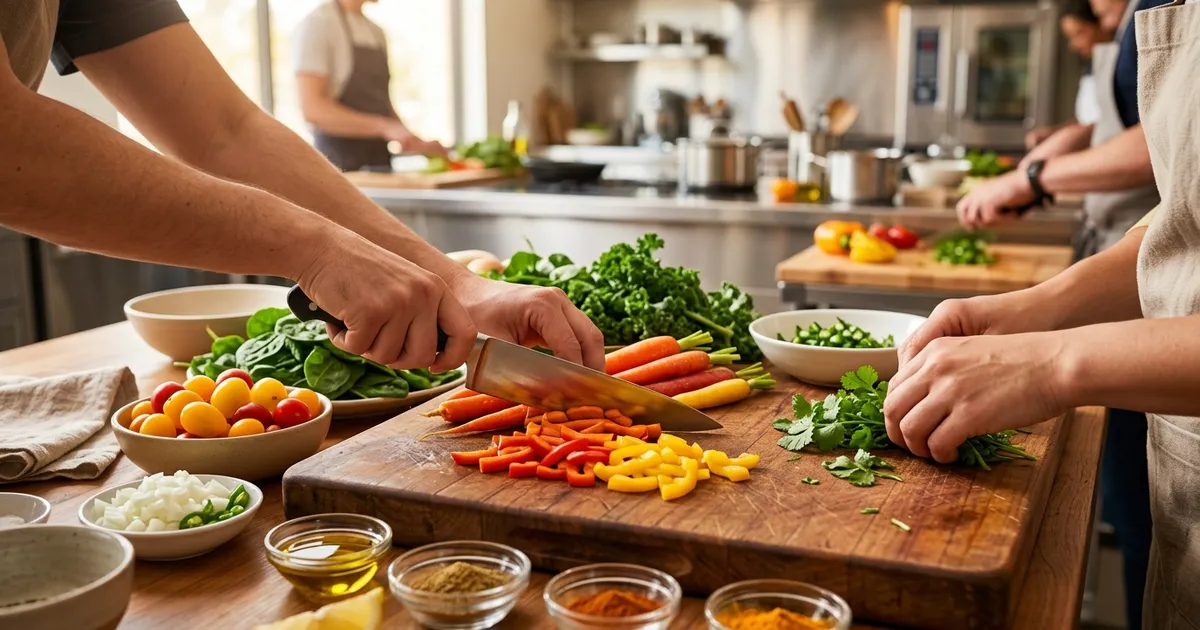
Suggested pricing: Per person. Best in teaching kitchen, tasting room, bakery classroom, cafe, or community dining table.
A practical food workshop for chefs, home cooks, and cultural hosts. Include menu, skill level, allergies, what guests make, and whether they eat together or take food home.
A ready-to-adapt Market-to-Table Cooking Class format with a clear guest promise and practical run-of-show.
Guests can understand the format, pace, and preparation for Market-to-Table Cooking Class before they sign up.
A structured event page that helps a host turn Market-to-Table Cooking Class into a clear, shareable experience.
Give HereNow your venue, audience, timing, ticket details, and event tone to tailor Market-to-Table Cooking Class for your community.
Use this format to make Market-to-Table Cooking Class feel specific, welcoming, and simple to join from the first visit.
A first Market-to-Table Cooking Class session for people who want a clear, friendly way to join.
A repeatable local format that can grow with a community over time.
A themed edition shaped around a season, venue, or shared interest.
A small-group experience where the host can make every guest feel expected.
A structured event page that helps a host turn Market-to-Table Cooking Class into a clear, shareable experience.
Guests can see what they will taste or make and what the ticket includes.
Ingredient, allergy, age, and kitchen notes are visible before booking.
The flow creates time to learn, taste, and talk without rushing the table.
The strongest event pages usually add concrete host details: the place, the people, the promise, and the small moments that make guests picture themselves there.
The agenda gives first-time hosts a reliable shape while leaving room for your own personality, venue, and timing.
Timing is relative to the event start.
Arrival, welcome, and ingredient or tasting introduction
Host demo, food-safety notes, and what to expect
Guided Market-to-Table Cooking Class experience
Tasting, recipe notes, and questions
Clean-up, take-home details, and goodbye
These are the basics hosts usually check before turning a template into a real event page.
List the food or drink experience, ingredients, host guidance, tasting or meal portion, and any take-home recipe or item.
Collect notes at registration, list key ingredients, and only offer alternatives you can safely prepare. Do not promise an allergen-free environment unless it truly is one.
Yes, if the host explains the key steps, keeps the group small enough for help, and makes the expected skill level clear before booking.
Share the venue, arrival time, age policy, what to wear or bring, and whether the activity involves alcohol, heat, tools, or a shared meal.
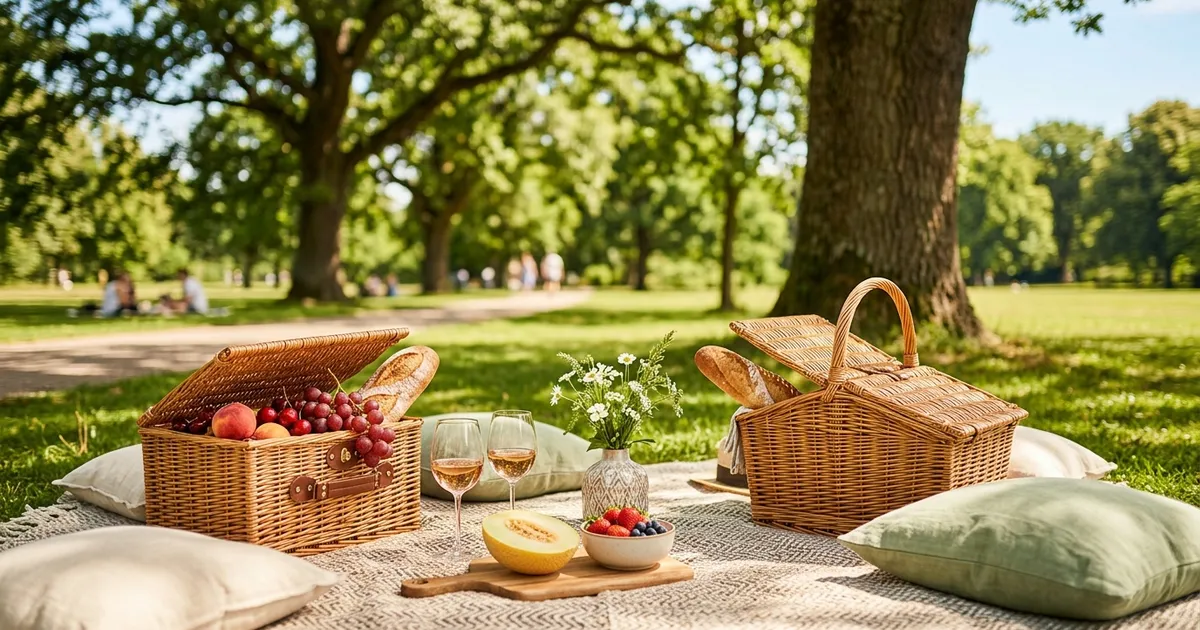
A relaxed park picnic where guests bring one thing to share, join easy prompts, and meet new people.
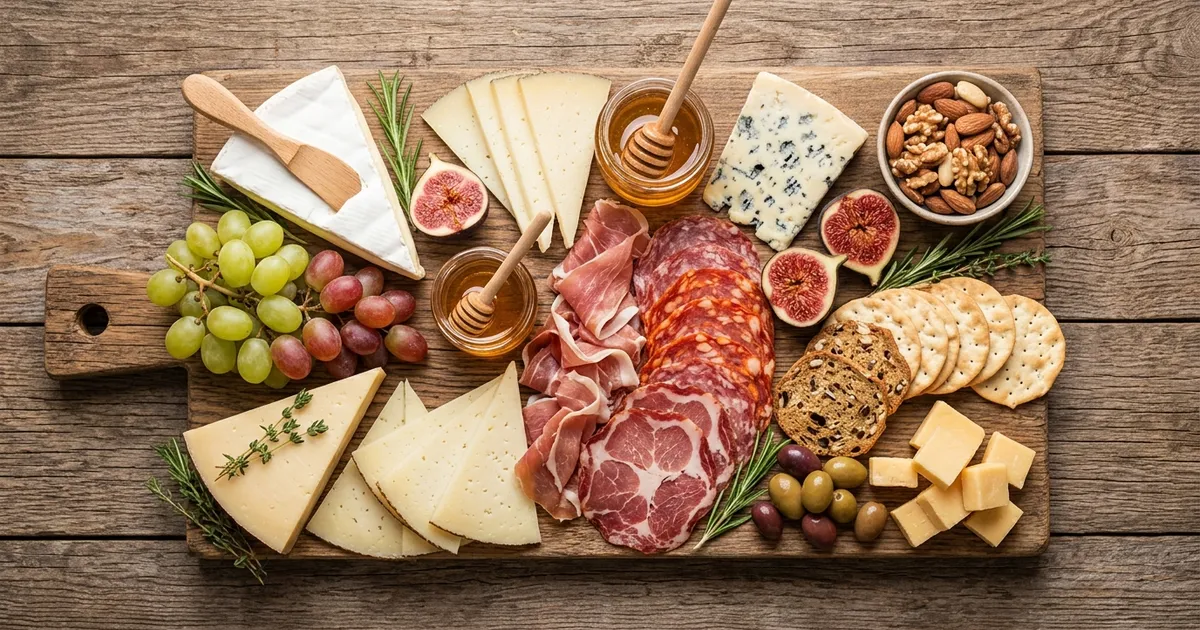
A guided tasting workshop where guests build a personal cheese and charcuterie board.
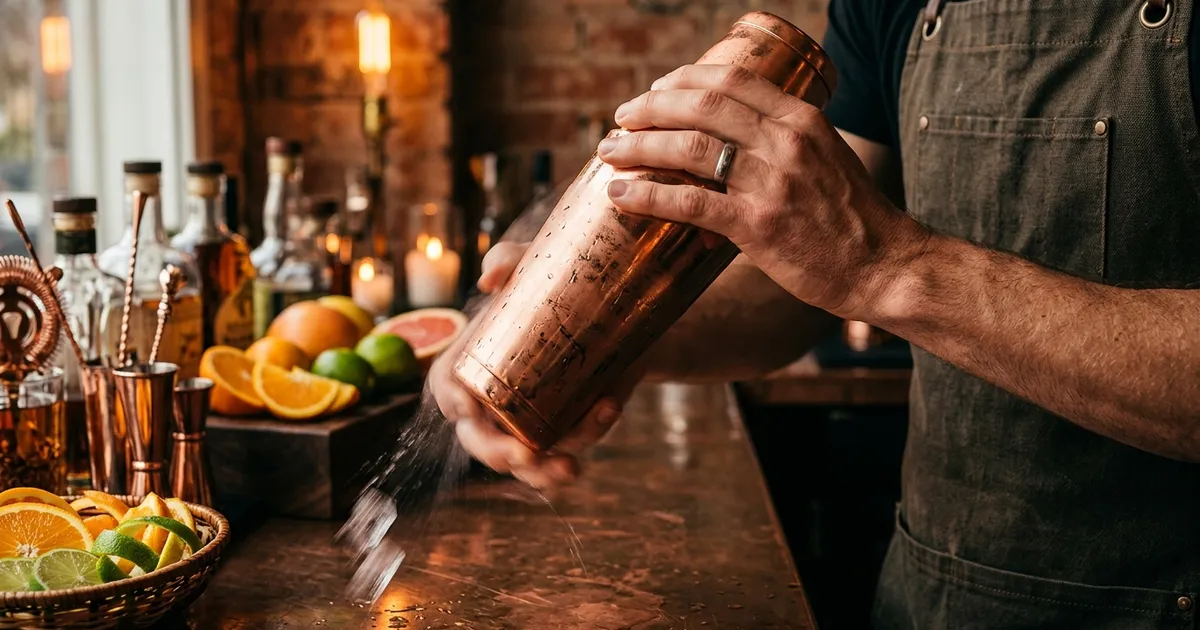
A hands-on cocktail class where guests shake, garnish, taste, and learn a signature drink formula.