Event scenario
A 2 hour 20 minute studio workshop with a short demo, generous making time, and clear firing and collection notes.
A welcoming first pottery session where guests learn basic clay handling, make a simple piece, and leave knowing exactly what happens next.
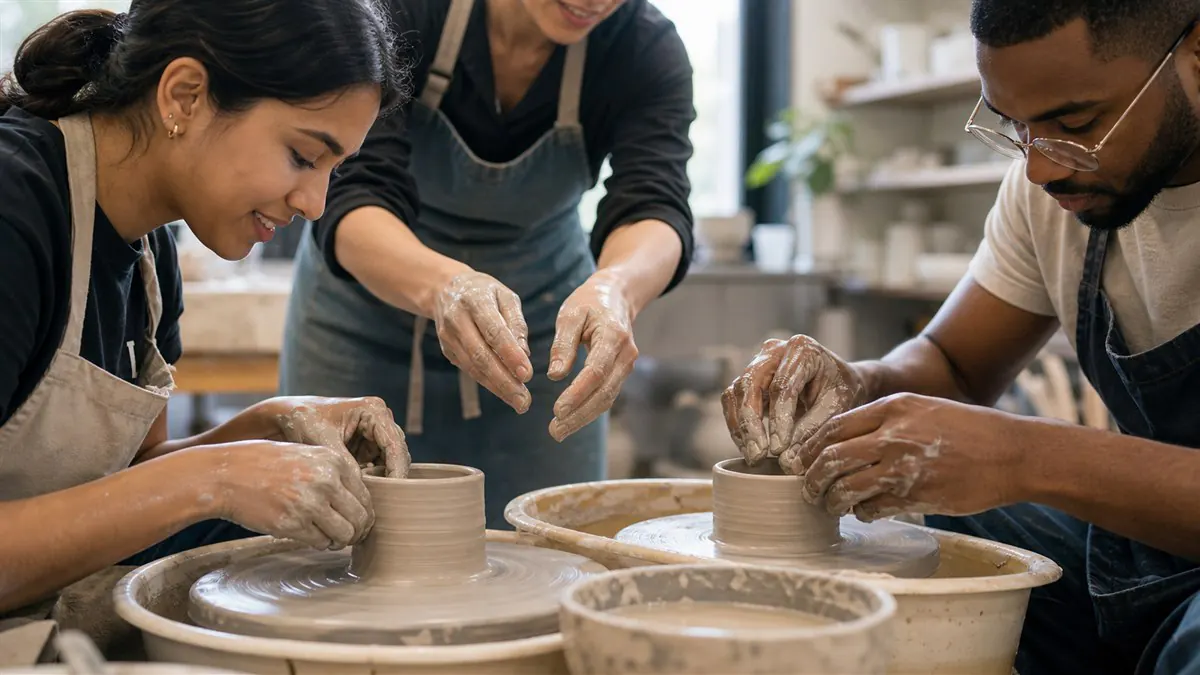
Pricing: per maker; state whether clay and firing are included. Best in ceramics studio or maker space with clay, handbuilding tools, and firing access.
A beginner-friendly pottery format built around one achievable form and plenty of patient studio guidance. Explain the project, clay and firing process, clothing notes, and when guests can collect their finished work.
A 2 hour 20 minute studio workshop with a short demo, generous making time, and clear firing and collection notes.
First-time makers can see what they will create, what the ticket includes, and whether their finished piece will be ready to take home or collect later.
A reassuring, studio-ready event page that turns pottery curiosity into a hands-on first experience guests can confidently book.
Give HereNow your project, studio, ticket inclusions, firing timeline, price, and audience to tailor this pottery workshop for your own space.
Use this format to make a first pottery class feel less intimidating: one clear project, a calm studio rhythm, and no surprises about firing or collection.
A handbuilding introduction where every guest makes a small bowl, cup, or textured dish.
A weekend studio session for friends who want a tactile creative break.
A date-friendly workshop that pairs a shared activity with an individual keepsake.
A recurring beginners series that moves from pinch pots to coil and slab forms.
A reassuring, studio-ready event page that turns pottery curiosity into a hands-on first experience guests can confidently book.
The page answers the questions that stop people booking: no experience needed, what to wear, and how much help is available.
Collection and glazing notes set the right expectation for a piece that cannot leave the studio on the same day.
A small maker capacity gives the host time to demonstrate, troubleshoot, and encourage each person.
The strongest event pages usually add concrete host details: the place, the people, the promise, and the small moments that make guests picture themselves there.
The agenda gives first-time hosts a reliable shape while leaving room for your own personality, venue, and timing.
Timing is relative to the event start.
Arrival, studio orientation, and clay introduction
Handbuilding demo and first practice
Guided making with individual studio support
Refine, sign, and prepare pieces for firing
Clean-up, photos, and firing collection notes
These are the basics hosts usually check before turning a template into a real event page.
Yes. Choose one achievable handbuilding project, demonstrate the key steps, and make clear that no prior experience is needed.
Usually not if the work needs drying, glazing, and kiln firing. State the collection timeline and any shipping option before registration.
Recommend comfortable clothing that can get clay on it, tied-back hair if useful, and short nails for detailed handbuilding work.
Be specific about clay, tools, glaze, firing, collection, and any limits on finished pieces. Clear inclusions make the price easier to understand.

A premium fragrance workshop where guests blend a personal scent and name the story behind it.
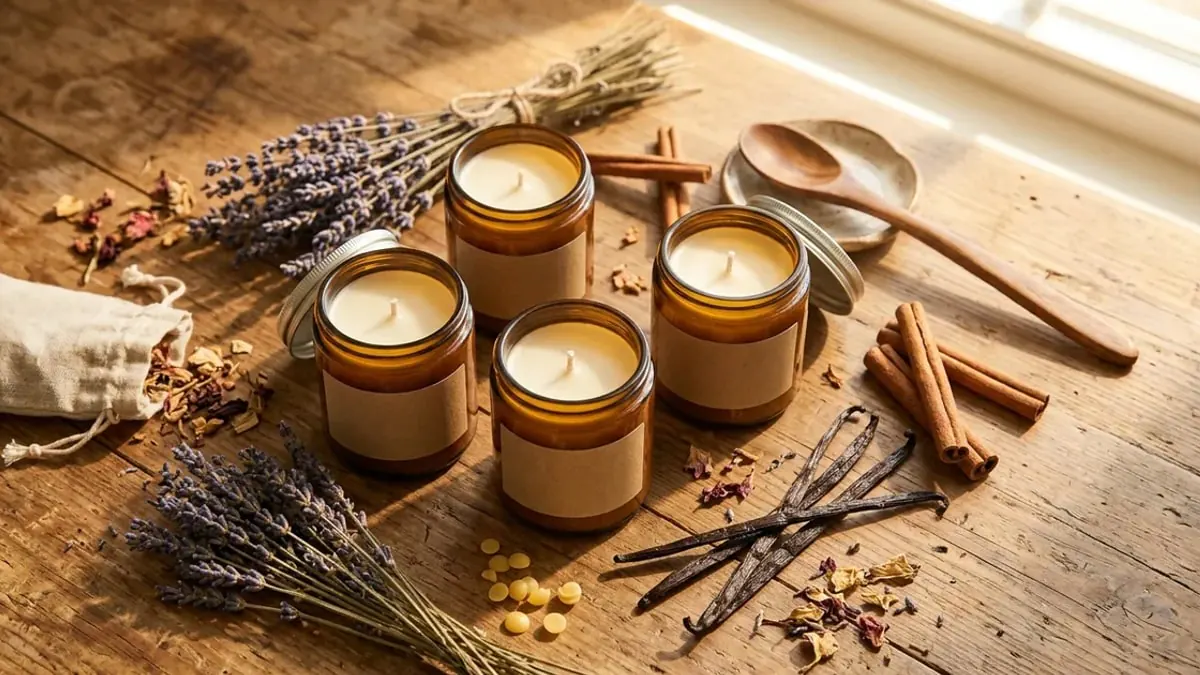
A sensory workshop for blending scents, pouring candles, and learning care basics.
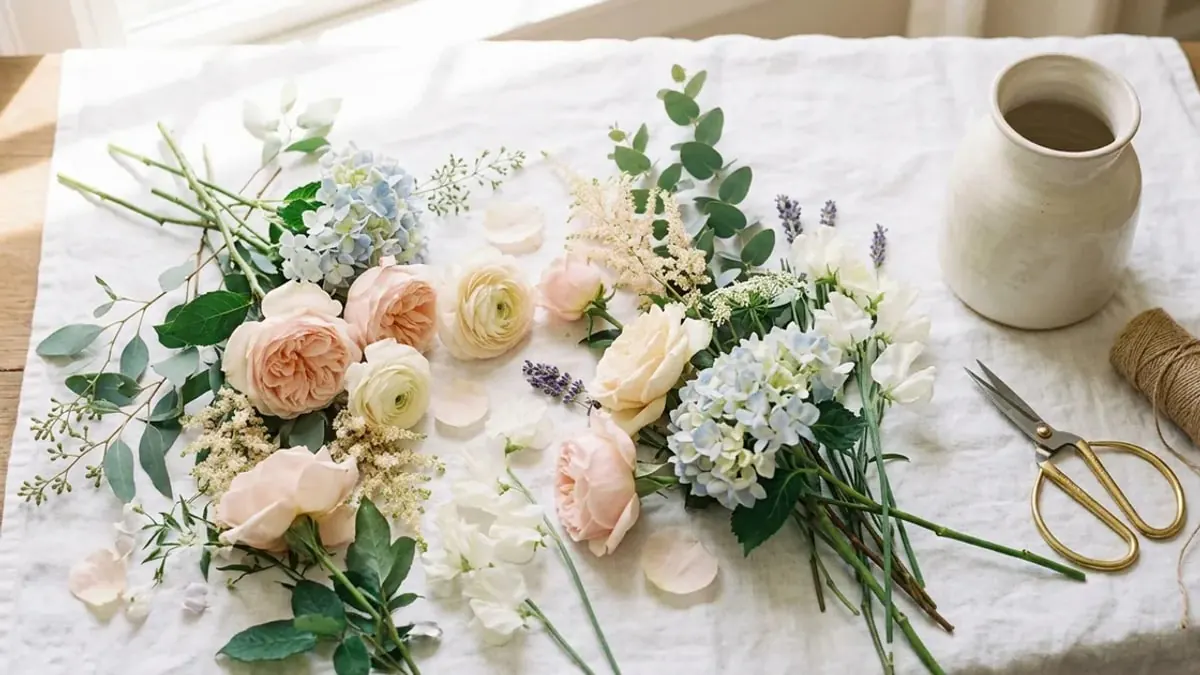
A floral design workshop with seasonal stems, arranging technique, and styling tips.