Photo details
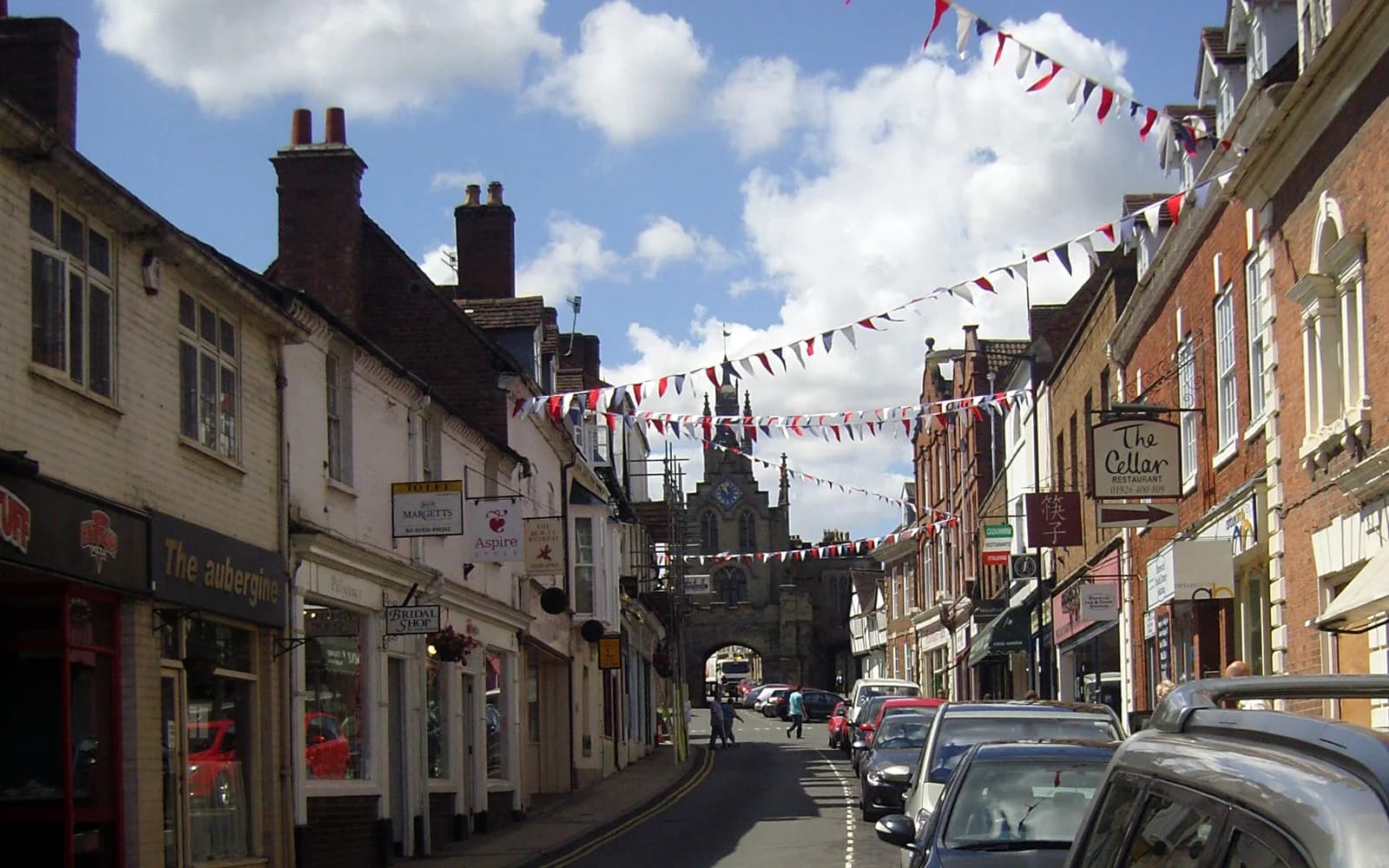
Smith Street in Warwick, photographed in July 2010. Love Bread & Co's public address is on this street; this licensed city-context image does not show the supper club or the venue.
Photo: Roland Turner / Wikimedia Commons · CC BY-SA 2.0
Image adapted for this page.
A First Supper Club Sold the Seating Plan, Not Just Three Courses
A May 2026 report described Cabi's Supper Club's planned Warwick debut: a three-course, family-style dinner at communal tables, including for people arriving in smaller groups. The report said tickets moved quickly, but did not publish price, capacity, attendance, or a post-event result. For a small host, the transferable lesson is an explicit shared-table promise—not a borrowed cuisine, family story, or revenue claim.
What actually happened
- Original event
- Cabi's Supper Club
- Date & time zone
- July 11, 2026 · from 19:00 · Europe/London
- By
- Cabi's Supper Club
- Format
- Advance-ticket shared-table supper club
- Entry
- Advance tickets were reported as available; price was not publicly stated
The table layout was part of the offer
Warwick Nub News reported that Cabi's Supper Club would hold its first night at Love Bread & Co on July 11, 2026. The report described a three-course, family-style menu served around large communal tables, with people seated together even when they arrived in smaller groups.
The report said tickets had moved quickly after release and that only a few remained. It did not publish a ticket price, headcount, capacity, post-event recap, revenue, or profit. The date is now past, but this is a reported format study—not evidence that the night succeeded commercially.
A view of the reported place
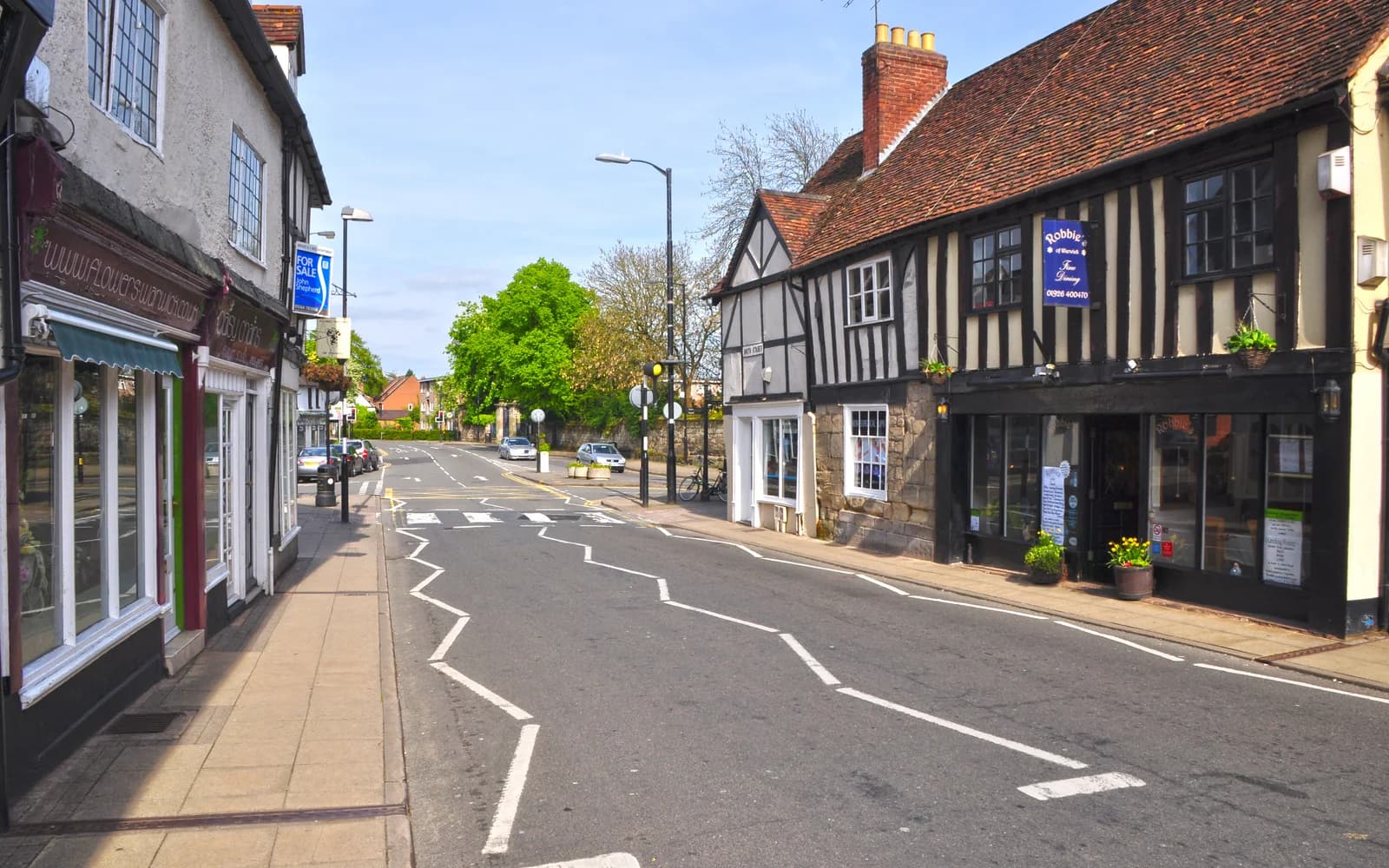
Photo details
Smith Street in Warwick, photographed in May 2014. This licensed street-context image is near the reported venue; it does not show Cabi's Supper Club, its guests, or Love Bread & Co.
Photo: Lewis Clarke / Wikimedia Commons · CC BY-SA 2.0
Image adapted for this page.
A dinner can sell a social configuration as well as a menu
The useful distinction is not simply that guests ate together. The public description made communal seating visible before purchase. A person buying one or two seats knew they were joining a shared table, not reserving a private restaurant corner. That clarity gives a small host a more legible product: a limited, hosted occasion with food and a defined way to arrive.
For a commercial pilot, the ticket needs the same clarity. State the number of courses, what drinks or service are and are not included, the seating format, dietary and allergen process, access information, cancellation terms, and any age or alcohol policy. Build the price from verified food, labour, room, equipment, service, payment-processing, tax or fees, access, and cancellation costs. A fast ticket response is demand evidence, not proof of viable margins.
Build a new local table, not a copy of someone else's family meal
Create an original three-course menu around ingredients, producers, stories, and recipes that you are entitled to use. For example, a host could invite 18 to 30 guests to a seasonal 'Neighbour Table' where each course carries one optional, clearly labelled conversation card: a local recommendation, a useful skill, or a place to return to. The food remains the main event; guests can talk, listen, or opt out without having to perform.
Do not reuse Cabi's name, Burmese dishes, family history, cultural framing, menu, venue, photography, ticket copy, or visual identity. Your original event needs its own food concept, suppliers, recipes, seating flow, service plan, and guest communication. Confirm applicable food-business, allergy, alcohol, public-liability, consumer, and accessibility requirements with qualified local professionals before selling tickets.
The Neighbour Table
Join an original three-course local dinner at a hosted shared table, with a clear welcome, an optional between-course prompt, and room to enjoy the meal your own way.
The shared table is named in the ticket promise, while one optional card between courses gives strangers a low-pressure way to exchange a local recommendation, useful skill, or favourite place without turning dinner into a forced activity.
Host an original 18 to 30 guest, three-course Neighbour Table dinner with advance booking, clearly stated dietary and seating information, one optional conversation card between courses, and a calm hosted close.
Host checklist
- Confirm that the venue, food preparation, service, hygiene, allergen communication, insurance, staffing, alcohol policy, and required local permissions are appropriate before advertising or selling places.
- Build the ticket from verified food, preparation, labour, room, equipment, service, payment-processing, tax or fees, access, and cancellation costs. State the course count, inclusions, dietary process, and cancellation terms clearly.
- Use an original menu, name, recipes, suppliers, seating cards, service sequence, imagery, and visual identity. Do not borrow Cabi's cultural framing, family story, Burmese dishes, venue, or marketing materials.
- Make the shared-table format visible before purchase. Offer an opt-out from the prompt, a no-photo choice, and a clear contact route for access or dietary questions.
- Use qualified local advice for food safety, allergens, alcohol, consumer rights, tax, and accessibility. This idea page is not legal, regulatory, or financial advice.
The idea will be ready in the event creator.
Questions hosts ask
Do I need a restaurant to host this?
Not necessarily, but you need an appropriate food preparation and service setup, clear responsibility for allergens and hygiene, suitable insurance, access planning, and every required local approval. Confirm those conditions before advertising or selling places.
How should I price a shared-table dinner?
Use confirmed food, preparation, labour, room, equipment, service, payment-processing, tax or fees, access, insurance, and cancellation costs. Publish the course count, inclusions, dietary process, and cancellation terms. Do not promise a profit or use another host's ticket price as a pricing instruction.
Will strangers talk to each other?
They may, but it should not be promised. Make the shared-table setup clear before purchase, keep any prompt optional, and give guests permission to talk, listen, eat quietly, or opt out of photography without explanation.
What would you make from this?
Share a local twist, a different format, or a gathering this story set in motion.