Photo details
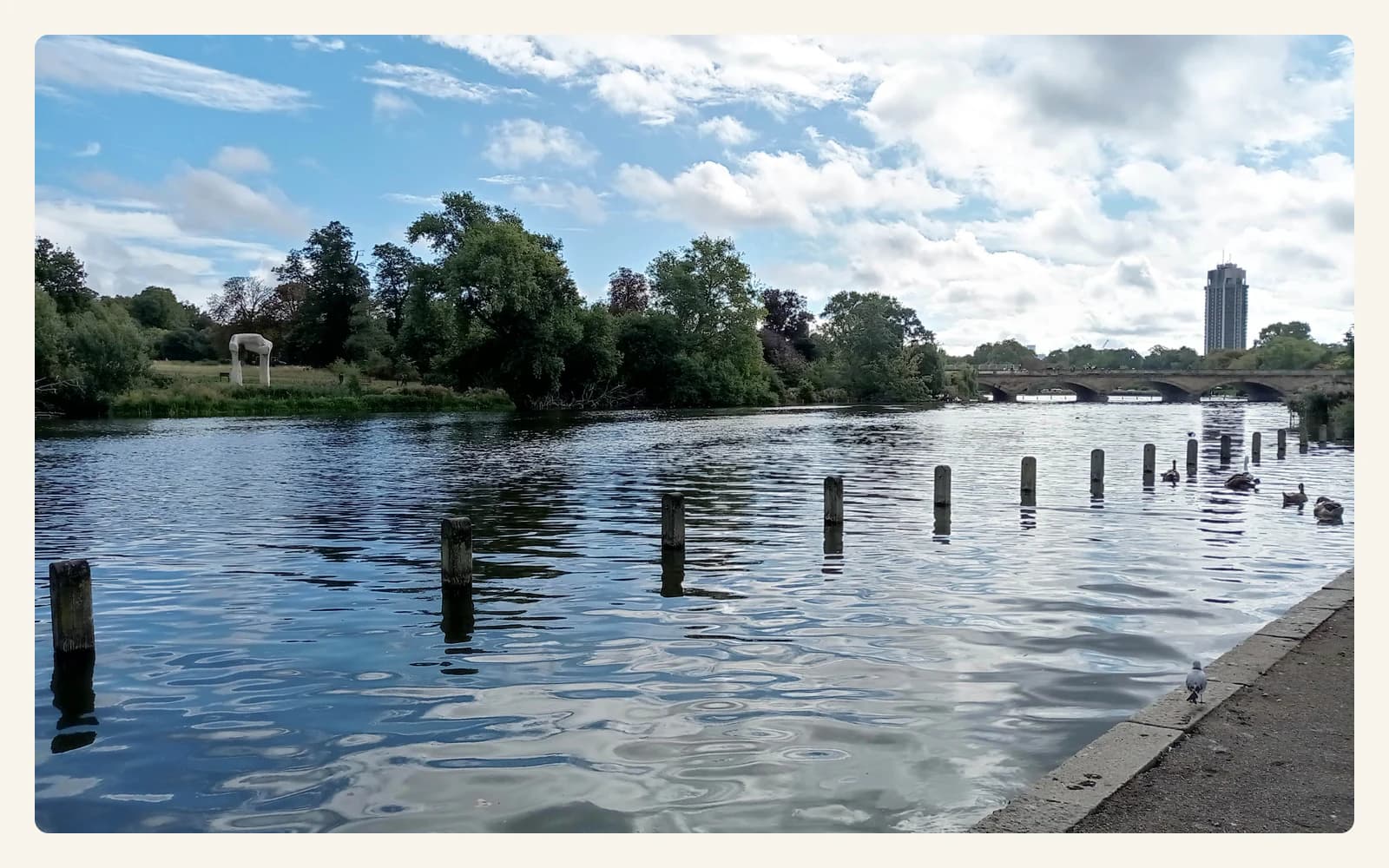
A view across the Serpentine in Hyde Park, photographed in 2025. This location-context photograph shows the public park, not the 2026 concert or its attendees.
Photo: Canaan / Wikimedia Commons · CC BY-SA 4.0
Image adapted for this page.
In London, a Crowd Turned a Tiny Costume Rule into an Inside Joke
On July 10, 2026, 22,141 people at Pitbull’s BST Hyde Park show wore bald caps for an official Guinness World Records title. What transfers is the timing and choice behind the signal: one brief opt-in action through which a room recognizes itself.
What actually happened
- Original event
- Pitbull at BST Hyde Park Guinness World Records attempt
- Date & time zone
- July 10, 2026 · Europe/London
- By
- BST Hyde Park + Pitbull
- Format
- Headline concert with a large-scale fan participation record attempt
- Entry
- Completed ticketed concert · original ticket terms are not recorded here
What happened
On July 10, 2026, Pitbull’s BST Hyde Park concert in London became the setting for an official Guinness World Records attempt. Guinness recorded 22,141 people wearing bald caps, and The Guardian reported that the crowd used the simple costume cue as a shared gesture around the headline show.
The visual rule was unusually easy to read from a distance. The record counted people wearing bald caps rather than people who were naturally bald, and the reported crowd also drew on a familiar fan look of shirts, ties, and sunglasses. A small, repeatable choice made a large audience instantly legible to itself.
Pitbull’s official YouTube broadcast from the event opens on fans wearing the caps in the venue. It is embedded here as a public player for event evidence only; it does not give HereNow permission to reuse the music, footage, performer identity, costumes, or fan branding.
See the event in motion
Why this event works
The crowd did not need to learn choreography or pass a test. One visible, low-stakes action made participation obvious, giving strangers an immediate answer to the question of how to belong without asking them to become the centre of attention.
It also had a clear time and place. A signal feels more meaningful when a host names the moment, explains the choice, and lets the room see the result together. The effect is collective recognition, not perfect uniformity.
A short, optional reveal with an original visual rule carries the structure forward. An accessible colour card, ribbon, paper shape, or hand-drawn symbol gives equal room to guests who join, watch, or take part quietly without tying the event to a public figure or commercial identity.
If you host something similar
Start with a signal that belongs to your own event. Offer a few lightweight choices—such as a coloured card, a paper pin, or a small table token—and make every option removable and voluntary. Avoid copying the source event’s bald caps, suits, sunglasses, performer name, lyrics, music, or fan language.
A good signal has more than one way in. Guests can raise a card while seated, place it on a shared table, or simply watch; no one needs to wear something on their body or be photographed to belong. Say clearly when the moment will happen, where people can opt out, and whether any photo or video will be made before the room gathers.
The One-Minute Signal
At one scheduled minute, choose an optional colour card or wearable token, make a shared signal with the room, and add a small personal mark to a collective display.
Guests choose from a few optional, non-branded tokens before one clearly announced reveal, then turn the signal into a shared display without needing to disclose why they chose it.
Host a One-Minute Signal for 20-60 guests, where every person chooses an optional, non-branded colour card or wearable token, joins one scheduled reveal, and then adds a small personal mark to a shared display.
Host checklist
- Keep every token optional, removable, and non-branded; use an original event name and do not copy a performer, public figure, costume, lyric, fan label, or music cue from the source event.
- Offer seated, standing, table-based, and watch-only participation so no guest has to wear an item, show their face, or explain their choice to belong.
- State the reveal time and photography plan before guests choose a token; use an opt-in image area or no-photo default rather than treating the group signal as blanket consent.
- Test materials for simple access and comfort: avoid heat-trapping face coverings, strong scents, sharp pins, and any item that could exclude a guest for sensory, medical, faith, or mobility reasons.
The idea will be ready in the event creator.
Questions hosts ask
Does every guest need to take part in the One-Minute Signal?
No. The format works only when a guest can choose a token, place it on the shared table, stay seated, or simply watch without being singled out.
How do I keep this distinct from the London source event?
Use an original event name, your own simple signal, and non-branded materials. Do not use bald caps, suits, sunglasses, Pitbull’s name or likeness, fan labels, lyrics, music, or concert imagery.
Do I need to photograph the shared moment?
No. A display board, a private card, or a memory of the room can be the outcome. If you do make images, explain the plan before the reveal and give guests a real opt-out.
What would you make from this?
Share a local twist, a different format, or a gathering this story set in motion.